Hey there! As a ball valve supplier, I've seen firsthand the unique demands that the oil and gas industry places on these essential components. Ball valves are a crucial part of the oil and gas infrastructure, used in everything from upstream exploration and production to downstream refining and distribution. So, what are the specific requirements for ball valves in oil and gas applications? Let's dive in.
1. High - Pressure Resistance
Oil and gas operations often involve extremely high pressures. Whether it's deep - sea drilling where the hydrostatic pressure can be mind - boggling, or high - pressure pipelines transporting natural gas over long distances, ball valves need to be able to withstand these intense forces.
For instance, in offshore drilling platforms, the wellhead valves may face pressures that can reach thousands of pounds per square inch (psi). A ball valve used in such an environment must be built with heavy - duty materials like forged steel. Our Pipeline Ball Valve is designed with high - strength materials and precision machining to handle these high - pressure situations. It has a robust body structure that can resist deformation under pressure, ensuring a tight seal even in the most demanding conditions.
2. Corrosion Resistance
The oil and gas industry is full of corrosive substances. Crude oil can contain sulfur compounds, and natural gas may have acidic gases like carbon dioxide and hydrogen sulfide. These substances can eat away at the valve materials over time if the valve isn't properly protected.
Stainless steel is a popular choice for ball valves in oil and gas applications due to its excellent corrosion resistance. However, in some cases where the corrosion is particularly severe, we may use more exotic materials like Hastelloy. Our Two - way Metal Hard Sealed Ball Valve uses high - grade stainless steel or corrosion - resistant alloys in its construction. The surface of the valve is also treated with special coatings to provide an extra layer of protection against corrosion, ensuring a long service life even in harsh environments.
3. Tight Sealing Performance
A leak in an oil or gas pipeline can be a disaster, not only from an environmental perspective but also in terms of safety and economic losses. Ball valves need to provide a tight seal to prevent any leakage of oil or gas.
The sealing performance of a ball valve depends on several factors, including the quality of the sealing materials and the precision of the machining. Our valves are designed with advanced sealing technologies. For example, the ball and seat of our valves are machined to extremely high tolerances, ensuring a perfect fit. The Eccentric Half Ball Valve has a unique sealing mechanism. As the valve closes, the ball rotates eccentrically, creating a tight seal against the seat. This design minimizes the possibility of leakage, even when the valve is subjected to high pressures and temperature variations.
4. Temperature Tolerance
Oil and gas operations can occur in a wide range of temperatures. In arctic regions, the temperature can drop to well below freezing, while in refineries, the temperature can be extremely high during the refining process.
Ball valves need to be able to function properly across this wide temperature spectrum. Our valves are tested to ensure they can operate in temperatures ranging from - 50°C to 200°C. The materials used in our valves are carefully selected to maintain their mechanical properties at different temperatures. For example, the elastomers used in the seals are chosen for their low - temperature flexibility and high - temperature resistance, ensuring that the valve can open and close smoothly regardless of the temperature.
5. Fire - Safe Design
Fire is a major concern in the oil and gas industry. In the event of a fire, ball valves need to be able to prevent the spread of fire and maintain their integrity.
Our ball valves are designed with fire - safe features. The valve body and internal components are made of fire - resistant materials. In addition, the sealing system is designed to provide a secondary seal in case the primary elastomeric seal is damaged by fire. This helps to prevent the leakage of flammable fluids and reduces the risk of fire spreading through the pipeline.
6. Low Torque Operation
In large - scale oil and gas facilities, operators may need to open and close valves frequently. A ball valve with high - torque requirements can be difficult and time - consuming to operate.
We design our ball valves for low - torque operation. This is achieved through a combination of factors, such as the use of low - friction materials for the ball and seat, and an optimized valve design. For example, the internal flow path of our valves is streamlined to reduce the resistance to flow, which in turn reduces the torque required to operate the valve. This makes it easier for operators to control the flow of oil and gas, improving the efficiency of the overall operation.
7. Easy Maintenance
In the oil and gas industry, downtime for maintenance can be costly. Ball valves need to be easy to maintain to minimize the time and cost associated with repairs.
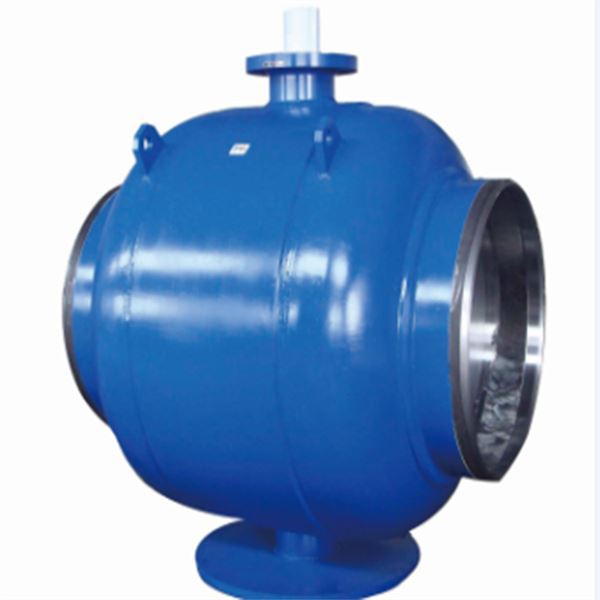

Our ball valves are designed with a modular structure, which allows for easy disassembly and reassembly. The components are easily accessible, making it simple to replace worn - out parts. In addition, we provide detailed maintenance manuals and technical support to help our customers keep their valves in good working condition.
8. Compliance with Standards
The oil and gas industry is highly regulated, and ball valves need to comply with various international and industry standards. These standards ensure the safety, reliability, and performance of the valves.
Our ball valves are manufactured in strict accordance with standards such as API 6D, ISO 14313, and ASME B16.34. We conduct rigorous quality control tests at every stage of the manufacturing process to ensure that our valves meet or exceed these standards.
If you're in the oil and gas industry and are looking for high - quality ball valves that meet all these specific requirements, we'd love to hear from you. We have a wide range of ball valves to suit different applications and can customize valves according to your specific needs. Whether you need a valve for a small - scale project or a large - scale industrial facility, we've got you covered. Don't hesitate to reach out to us for more information or to discuss your procurement needs.
References
- API 6D: Specification for Pipeline Valves
- ISO 14313: Petroleum, petrochemical and natural gas industries — Steel gate, globe and check valves
- ASME B16.34: Valves - Flanged, Threaded, and Welded End