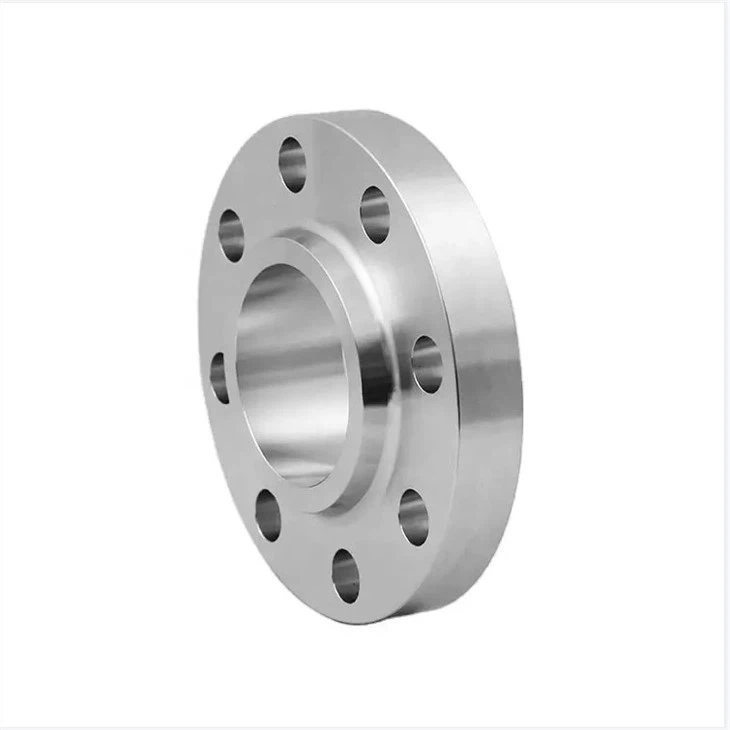
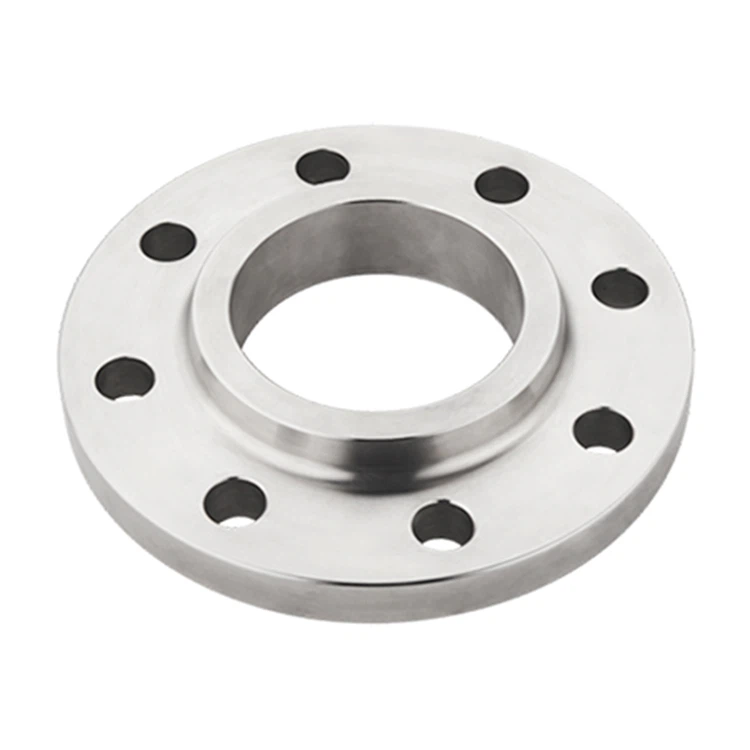
Slip on flanges are widely used in various piping systems due to their ease of installation and cost - effectiveness. As a slip on flange supplier, understanding the fatigue - resistance properties of these flanges is crucial for providing high - quality products to our customers. In this blog, we will explore the factors that affect the fatigue - resistance of slip on flanges and how we ensure our products meet the required standards.
What is Fatigue in Slip On Flanges?
Fatigue in slip on flanges occurs when the flange is subjected to repeated cyclic loading. These cyclic loads can be caused by a variety of factors, such as pressure fluctuations in the piping system, vibration from pumps or compressors, and thermal expansion and contraction. Over time, these repeated loads can cause microscopic cracks to form in the flange material. As these cracks grow, they can eventually lead to flange failure, which can result in leaks, system downtime, and potential safety hazards.
Factors Affecting Fatigue - Resistance Properties
Material Selection
The choice of material plays a significant role in determining the fatigue - resistance of slip on flanges. Common materials used for slip on flanges include carbon steel, stainless steel, and alloy steel. Each material has different mechanical properties that affect its ability to withstand cyclic loading.
Carbon steel is a popular choice due to its relatively low cost and good strength. However, its fatigue - resistance may be lower compared to stainless steel and alloy steel. Stainless steel, on the other hand, offers excellent corrosion resistance and better fatigue - resistance properties, especially in harsh environments. Alloy steel can be tailored to have specific mechanical properties, such as high strength and toughness, which can enhance its fatigue - resistance.
As a supplier, we carefully select the materials for our slip on flanges based on the application requirements. For example, for applications in the chemical industry where corrosion is a major concern, we may recommend stainless steel slip on flanges. For high - pressure and high - temperature applications, alloy steel flanges may be a better choice.
Flange Design
The design of the slip on flange also affects its fatigue - resistance. The thickness of the flange, the size of the bolt holes, and the overall shape of the flange can all influence how the flange distributes stress under cyclic loading.
A thicker flange generally has better fatigue - resistance as it can withstand higher stress levels without deforming. However, increasing the thickness also increases the cost and weight of the flange. Therefore, we need to find a balance between thickness and cost.
The size and arrangement of the bolt holes can also affect the stress distribution in the flange. Properly sized and spaced bolt holes can ensure that the clamping force is evenly distributed, reducing the likelihood of stress concentration and fatigue cracking.
Welding Quality
Slip on flanges are typically welded to the pipe. The quality of the weld is crucial for the fatigue - resistance of the flange - pipe joint. A poor - quality weld can introduce defects, such as porosity, lack of fusion, and cracks, which can act as stress concentrators and reduce the fatigue life of the joint.
We have a strict quality control process for welding our slip on flanges. Our welders are highly trained and certified to ensure that the welds meet the relevant standards. We also use advanced welding techniques and equipment to minimize the risk of weld defects.
Testing and Certification
To ensure the fatigue - resistance of our slip on flanges, we conduct various tests on our products. These tests include non - destructive testing (NDT) methods, such as ultrasonic testing, magnetic particle testing, and radiographic testing, to detect any internal defects in the flanges.
We also perform fatigue testing on our flanges to simulate the actual operating conditions. In fatigue testing, the flange is subjected to a specific number of cyclic loads at a certain stress level. By analyzing the test results, we can determine the fatigue life of the flange and ensure that it meets the customer's requirements.
In addition to in - house testing, our products are also certified by international standards organizations, such as ASTM, ASME, and ISO. These certifications provide our customers with confidence in the quality and performance of our slip on flanges.
Different Standards of Slip On Flanges and Their Fatigue - Resistance
There are several international standards for slip on flanges, such as GB, JIS, and ANSI. Each standard has its own requirements for material, design, and manufacturing processes, which can affect the fatigue - resistance of the flanges.
GB Slip - on Flange follows the Chinese national standards. These flanges are designed to meet the specific requirements of the Chinese market and are widely used in various industries in China. The GB standards specify the material grades, dimensions, and welding requirements for slip on flanges, which ensure a certain level of fatigue - resistance.
JIS Slip On Flange is based on the Japanese Industrial Standards. JIS flanges are known for their high - quality manufacturing and strict quality control. The standards take into account the fatigue - resistance requirements of the flanges, especially for applications in the marine and petrochemical industries.
ANSI Slip On Flange is widely used in North America and other parts of the world. The ANSI standards provide detailed specifications for the design, material, and testing of slip on flanges. These standards ensure that the flanges can withstand the cyclic loads commonly encountered in industrial applications.
Ensuring Long - Term Fatigue - Resistance for Our Customers
As a slip on flange supplier, we are committed to providing our customers with products that have excellent fatigue - resistance. We work closely with our customers to understand their specific application requirements and recommend the most suitable flange materials, designs, and standards.
We also offer after - sales service and technical support to our customers. If our customers encounter any problems with the fatigue - resistance of our flanges, our technical team will provide prompt assistance to solve the problem.
Contact Us for Your Slip On Flange Needs
If you are looking for high - quality slip on flanges with excellent fatigue - resistance, we are here to help. Whether you need GB, JIS, or ANSI slip on flanges, we can provide you with the right products at competitive prices.
Contact us today to start a conversation about your slip on flange requirements. Our experienced sales team will be happy to assist you with your procurement and answer any questions you may have.
References
- ASME Boiler and Pressure Vessel Code, Section VIII, Division 1.
- ASTM Standards for Flanges and Fittings.
- ISO Standards for Piping Components.
- "Mechanical Behavior of Materials" by Norman E. Dowling.