

Hey there! As a ball valve supplier, I often get asked about the temperature rating of ball valves. It's a crucial factor to consider when choosing the right valve for your application. So, let's dive into what the temperature rating of a ball valve is and why it matters.
What is the Temperature Rating of a Ball Valve?
The temperature rating of a ball valve refers to the range of temperatures within which the valve can operate safely and effectively. This rating is determined by several factors, including the materials used in the valve's construction, the design of the valve, and the type of seal.
Materials Matter
The materials used to make a ball valve play a huge role in its temperature rating. For example, if a valve is made of brass, it can typically handle temperatures up to around 200 - 230°C. Brass is a common material for smaller, less demanding applications because it's relatively inexpensive and easy to work with.
On the other hand, stainless - steel ball valves can usually withstand much higher temperatures. Depending on the grade of stainless steel, they can handle temperatures ranging from - 200°C to over 600°C. Stainless steel is corrosion - resistant and strong, making it suitable for a wide range of industrial applications.
Some high - performance ball valves use exotic materials like titanium or Inconel. These materials are capable of withstanding extremely high temperatures, often above 1000°C, and are used in very specialized applications such as aerospace or high - temperature chemical processing.
Seal Considerations
The seal of a ball valve is another critical component when it comes to temperature rating. Most ball valves use elastomeric seals, such as rubber or Teflon. Rubber seals are great for low - to medium - temperature applications, usually up to around 100 - 150°C. They provide a good seal and are relatively inexpensive.
Teflon seals, on the other hand, can handle much higher temperatures. They can operate safely at temperatures up to 260°C or even higher in some cases. Teflon is also resistant to many chemicals, which makes it a popular choice for applications where both high temperatures and chemical resistance are required.
Why Does Temperature Rating Matter?
Safety First
Using a ball valve outside of its temperature rating can be extremely dangerous. If the temperature is too high, the materials in the valve can start to degrade. For example, elastomeric seals can melt or lose their elasticity, leading to leaks. In a high - pressure system, a leak can cause serious accidents, including explosions or chemical spills.
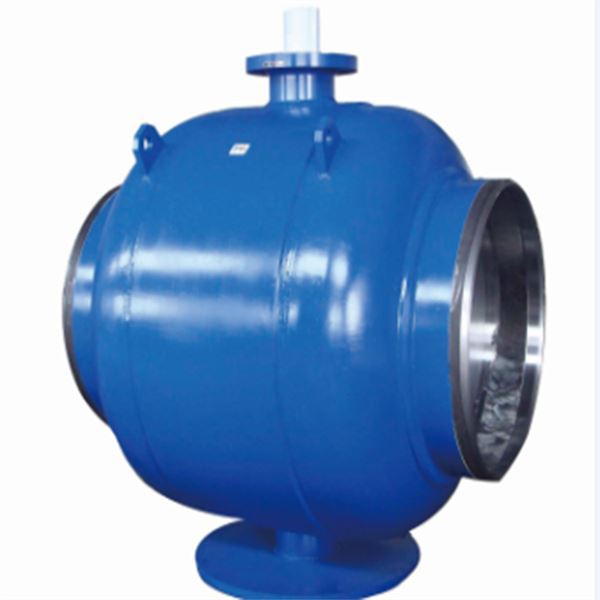

Performance and Longevity
A valve operating within its temperature rating will perform better and last longer. When the temperature is within the specified range, the valve components will wear evenly, and the seal will remain effective. This means fewer maintenance issues and lower costs in the long run. If a valve is exposed to temperatures outside its rating, it will likely experience premature wear and failure, leading to frequent replacements and increased downtime.
Different Types of Ball Valves and Their Temperature Ratings
Pipeline Ball Valve
Pipeline ball valves are commonly used in various industries for controlling the flow of fluids in pipelines. Pipeline Ball Valve made of carbon steel can typically handle temperatures from - 29°C to around 425°C. These valves are designed to be durable and reliable in large - scale pipeline systems.
Two - way Metal Hard Sealed Ball Valve
The Two - way Metal Hard Sealed Ball Valve is a great option for high - temperature applications. With a metal - to - metal seal, these valves can withstand temperatures well above 500°C. They are often used in power plants, refineries, and other industries where high - temperature and high - pressure conditions are common.
Eccentric Half Ball Valve
The Eccentric Half Ball Valve is designed for specific applications, such as slurry handling. Depending on the materials used, they can have a temperature rating ranging from - 20°C to 300°C. The unique design of the eccentric half ball valve allows it to handle abrasive materials while still maintaining a good seal at different temperatures.
How to Choose the Right Temperature Rating for Your Application
Know Your System
The first step is to understand the temperature conditions in your system. Consider the normal operating temperature, as well as any potential temperature spikes that might occur. For example, in a chemical process, a reaction might generate a sudden increase in temperature.
Consider Future Changes
Think about any future changes in your process that could affect the temperature. Maybe you plan to upgrade your equipment or change the type of fluid you're handling. It's better to choose a ball valve with a slightly higher temperature rating than you currently need to accommodate these potential changes.
Consult an Expert
If you're not sure which temperature rating is right for your application, don't hesitate to consult an expert. As a ball valve supplier, I've helped many customers choose the right valves for their needs. I can take into account all the factors, including your system requirements, budget, and long - term goals.
Conclusion
In conclusion, the temperature rating of a ball valve is a vital aspect to consider when selecting a valve for your application. It depends on the materials used, the type of seal, and the design of the valve. Choosing the right temperature rating ensures safety, performance, and longevity of your valve.
If you're in the market for a ball valve and need help determining the right temperature rating for your application, feel free to reach out. I'm here to assist you in finding the perfect valve for your needs. Whether it's a Pipeline Ball Valve, a Two - way Metal Hard Sealed Ball Valve, or an Eccentric Half Ball Valve, I can provide you with the best options and advice. Let's have a chat and get your project on the right track!
References
- Valve Handbook, CRC Press
- ASME Standards on Valves and Fittings


