Hey there! As a supplier of GB Slip-on Flange, I often get asked about the pressure rating of these flanges. So, I thought I'd take a moment to break it down for you all.
First off, what exactly is a GB Slip-on Flange? Well, it's a type of flange that conforms to the Chinese national standards (GB). These flanges are slipped over the pipe and then welded in place, both on the face and the inside, to provide a strong and reliable connection. They're pretty popular in various industries, like oil and gas, chemical processing, and water treatment.
Now, let's talk about pressure rating. The pressure rating of a flange is basically the maximum pressure it can handle safely under specific conditions. For GB Slip-on Flanges, the pressure rating is determined by a few key factors.
One of the most important factors is the material. Different materials have different strength properties, which directly affect the pressure rating. For example, flanges made from carbon steel can generally handle lower pressures compared to those made from stainless steel or alloy steel. Carbon steel is a common choice because it's relatively inexpensive and has decent strength, but it might not be suitable for high-pressure applications. Stainless steel, on the other hand, is more corrosion-resistant and can withstand higher pressures, making it a great option for harsh environments.
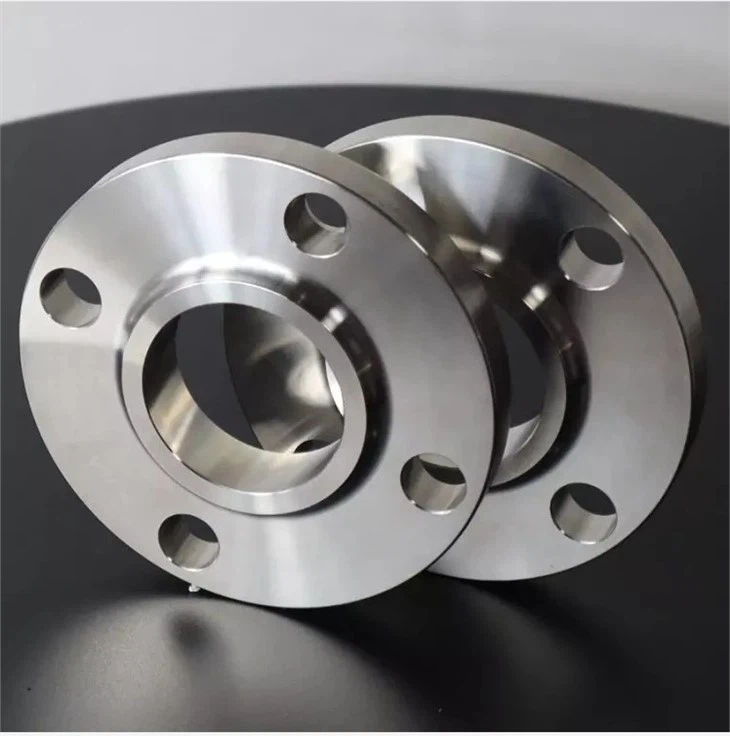
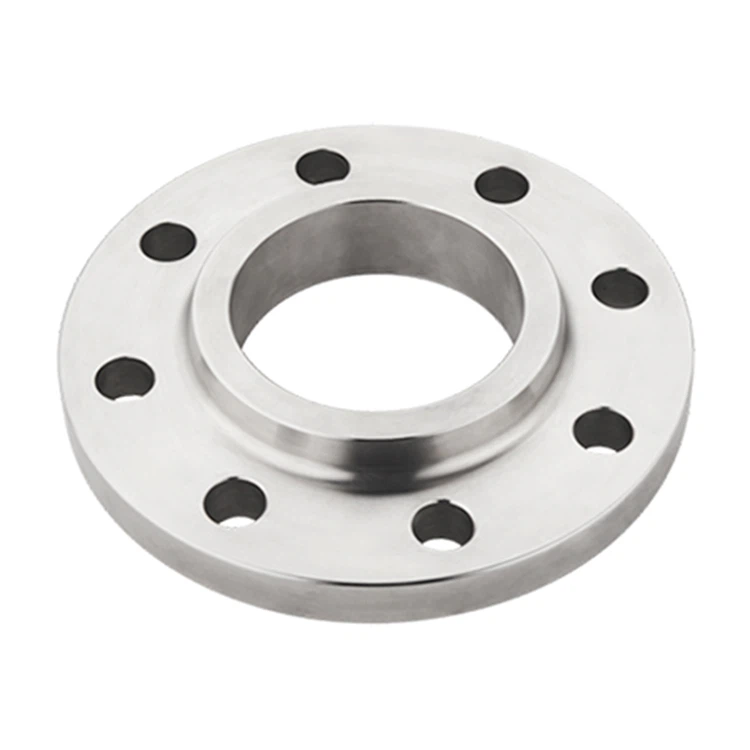
Another factor is the flange size. Generally, larger flanges have a lower pressure rating than smaller ones. This is because as the size of the flange increases, the stress distribution across the flange becomes more complex, and it becomes more difficult to maintain a tight seal under high pressure. So, if you need a high-pressure flange, you might want to consider a smaller size.
The design of the flange also plays a crucial role in determining the pressure rating. GB Slip-on Flanges come in different designs, such as raised face, flat face, and ring joint face. Each design has its own advantages and disadvantages when it comes to pressure handling. For instance, a raised face flange provides a better seal than a flat face flange, which means it can handle higher pressures. Ring joint face flanges are typically used in very high-pressure applications because they have a metal-to-metal seal that can withstand extreme pressures.
The temperature is another important consideration. As the temperature increases, the strength of the flange material decreases, which in turn reduces the pressure rating. So, if your application involves high temperatures, you need to make sure the flange you choose has a pressure rating that's appropriate for the operating temperature.
Now, let's compare GB Slip-on Flanges with other types of flanges, like ANSI Slip On Flange and JIS Slip On Flange. ANSI flanges are designed according to the American National Standards Institute standards, while JIS flanges follow the Japanese Industrial Standards. The pressure ratings of these flanges can vary depending on the specific standards and the materials used. In general, ANSI flanges are known for their high-pressure ratings and are widely used in the United States and other countries. JIS flanges, on the other hand, are more commonly used in Japan and some Asian countries. While they have their own set of advantages, they might not always be directly comparable to GB Slip-on Flanges in terms of pressure rating.
So, how do you determine the right pressure rating for your application? Well, the first step is to understand the operating conditions of your system, including the pressure, temperature, and the type of fluid or gas being transported. You also need to consider the safety factors and any regulatory requirements that apply to your industry. Once you have all this information, you can consult the relevant standards or work with a professional engineer to select the appropriate flange with the right pressure rating.
As a supplier of GB Slip-on Flanges, I can help you navigate through all these factors and find the perfect flange for your needs. We have a wide range of flanges in different sizes, materials, and pressure ratings, so you're sure to find what you're looking for. Whether you're working on a small-scale project or a large industrial installation, we've got you covered.
If you're interested in purchasing GB Slip-on Flanges or have any questions about pressure ratings or other technical aspects, don't hesitate to reach out. We're here to provide you with the best products and services at competitive prices. Let's work together to ensure the success of your project.
References:
- Relevant Chinese national standards (GB) for slip-on flanges
- Industry publications on flange design and pressure ratings
- Technical manuals from flange manufacturers