

Hey there! As a supplier of butterfly valves, I've gotten tons of questions about the different parts of these valves. One of the most common questions I get is about the function of the seat in a butterfly valve. So, let's dive right in and talk about what the seat in a butterfly valve does.

First off, what's a butterfly valve? Well, it's a type of valve that uses a disk - shaped closure element, which rotates around an axis to control the flow of fluid in a pipeline. Think of it like a little gate that can open and close to let stuff through or stop it. And the seat is a super important part of this whole setup.
Sealing Function
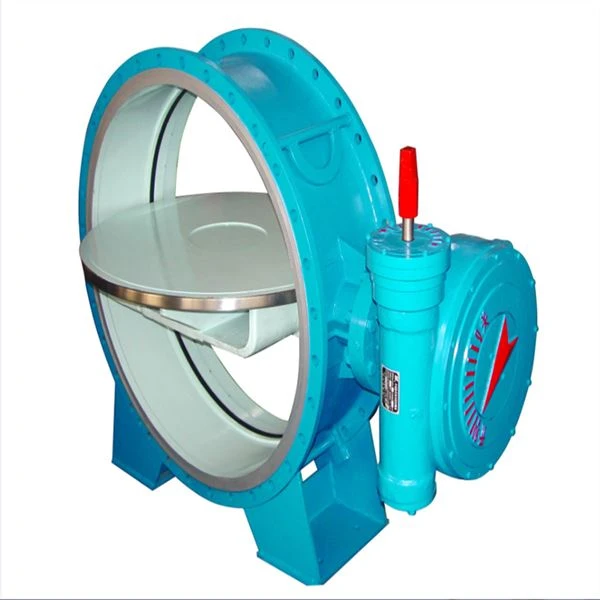
The main job of the seat in a butterfly valve is to provide a seal. When the valve is closed, the disk presses against the seat. This contact creates a tight seal that prevents the fluid from flowing through the valve. It's like closing a door tightly so no air or water can get through. This sealing is crucial in many applications, especially when dealing with liquids or gases that are under pressure.

For example, in a water treatment plant, the butterfly valves need to have a good seal to prevent leaks. If there's a leak, it could lead to water wastage or even contaminate the water supply. That's where a well - functioning seat comes in handy. It ensures that the valve can stop the flow completely when it needs to.
We offer a [Two - way Rubber Sealed Butterfly Valve](/valve/butterfly - valve/two - way - rubber - sealed - butterfly - valve.html) that has an excellent sealing performance. The rubber seat in this valve can conform to the shape of the disk, creating a very tight seal. This type of valve is great for applications where a reliable seal is required, like in the food and beverage industry, where preventing product leakage is a must.
Flow Control
The seat also plays a role in flow control. The shape and material of the seat can affect how the fluid flows through the valve when it's open. A well - designed seat can help to minimize turbulence and pressure drop. Turbulence can cause energy losses and can also damage the valve and the pipeline over time.
When the valve is opening or closing, the interaction between the disk and the seat determines how smoothly the flow changes. A seat with a proper contour can guide the fluid in a more orderly manner, allowing for better control of the flow rate. For instance, in a ventilation system, a [Ventilation Butterfly Valve](/valve/butterfly - valve/ventilation - butterfly - valve.html) with a well - engineered seat can ensure that the air flows evenly through the ducts. This helps to maintain a stable air pressure and improves the overall efficiency of the ventilation system.
Protection and Durability
Another function of the seat is to protect the valve body and other internal components. The seat acts as a buffer between the disk and the valve body. When the disk rotates and comes into contact with the seat, the seat absorbs some of the impact and wear. This helps to extend the lifespan of the valve.
The material of the seat is carefully chosen to withstand the conditions of the application. For example, in applications where the fluid is corrosive, we use seats made of special materials. Our [Fluorine Sealed Butterfly Valve](/valve/butterfly - valve/fluorine - sealed - butterfly - valve.html) has a fluorine - based seat material. Fluorine materials are highly resistant to corrosion, making this valve suitable for use in chemical processing plants where the fluids can be very harsh on the valve components.
Compatibility with Different Fluids
The seat needs to be compatible with the fluid that the valve is handling. Different fluids have different properties, such as temperature, pressure, and chemical composition. The seat material must be able to resist the effects of these properties.
For example, if the valve is used in a high - temperature steam application, the seat material needs to be able to withstand the high heat without deforming or losing its sealing properties. On the other hand, if the fluid is a viscous liquid, the seat should be designed to allow for smooth operation and sealing even with the thick fluid.
Maintenance and Replacement
The seat is also an important consideration when it comes to valve maintenance. Over time, the seat may wear out due to the repeated contact with the disk and the flow of the fluid. When this happens, it's usually easier and more cost - effective to replace the seat rather than the entire valve.
As a supplier, we make sure to provide seats that are easy to replace. This helps our customers save time and money on maintenance. We also offer technical support to help our customers with the replacement process if they need it.
How the Seat Affects Valve Performance
The quality of the seat has a direct impact on the overall performance of the butterfly valve. A high - quality seat can improve the valve's sealing, flow control, and durability. On the other hand, a poor - quality seat can lead to leaks, poor flow characteristics, and a shorter valve lifespan.
When choosing a butterfly valve, it's important to consider the seat material, design, and manufacturing quality. We take great pride in the seats we use in our valves. We use advanced manufacturing techniques to ensure that the seats are of the highest quality and meet the strictest industry standards.
Contact Us for Your Butterfly Valve Needs
If you're in the market for a butterfly valve or need to replace a seat in your existing valve, we're here to help. Our team of experts can assist you in choosing the right valve and seat for your specific application. Whether you need a valve for a small - scale project or a large industrial installation, we have the products and knowledge to meet your requirements.
So, don't hesitate to reach out to us if you have any questions or want to start a purchase negotiation. We're looking forward to working with you to find the perfect butterfly valve solution for your needs.
References
- "Valve Handbook" by David W. Plummer
- "Butterfly Valves: Design, Selection, and Application" by Valve Manufacturers Association


