

Hey there! As a ball valve supplier, I've been asked countless times about the difference between full - port and standard - port ball valves. It's a common question, and today, I'm gonna break it down for you in a way that's easy to understand.
Let's start with the basics. A ball valve is a type of valve that uses a spherical disc to control the flow of fluid through a pipe. The ball has a hole in the middle, and when the valve is open, the hole aligns with the pipe, allowing fluid to pass through. When the valve is closed, the ball rotates so that the hole is perpendicular to the pipe, blocking the flow.
Full - Port Ball Valves
Full - port ball valves, also known as full - bore ball valves, have a ball with a hole that's the same size as the inside diameter of the pipe. This means that when the valve is open, there's no restriction to the flow of fluid. It's like having a straight piece of pipe in place of the valve.
One of the main advantages of full - port ball valves is their low pressure drop. Since there's no significant reduction in the flow area, the fluid can pass through the valve with minimal resistance. This is especially important in applications where maintaining a high flow rate is crucial, such as in pipelines for transporting oil, gas, or water.
Another benefit is that full - port ball valves are less likely to cause clogging. Because the flow path is unobstructed, solid particles or debris in the fluid are less likely to get trapped in the valve. This makes them a great choice for applications where the fluid contains suspended solids, like in wastewater treatment plants or mining operations.
However, full - port ball valves do have some drawbacks. They're generally larger and more expensive than standard - port ball valves. The larger ball and body size require more material, which increases the cost of manufacturing. Also, due to their size, they may not be suitable for applications where space is limited.
Standard - Port Ball Valves
Standard - port ball valves, on the other hand, have a ball with a hole that's smaller than the inside diameter of the pipe. This creates a restriction in the flow path when the valve is open.
The main advantage of standard - port ball valves is their compact size and lower cost. They're smaller and lighter than full - port ball valves, which makes them easier to install and more cost - effective. This makes them a popular choice for applications where space is limited or where the cost is a major consideration, such as in residential plumbing systems or small - scale industrial applications.
But standard - port ball valves also have some limitations. The reduced flow area causes a higher pressure drop compared to full - port ball valves. This means that more energy is required to pump the fluid through the valve, which can increase operating costs over time. Additionally, the smaller flow path makes them more prone to clogging, especially if the fluid contains solid particles.
Applications
Now, let's talk about where you might use each type of valve.
Full - port ball valves are commonly used in applications where a high flow rate and low pressure drop are essential. For example, in large - scale pipeline systems for transporting natural gas or crude oil, full - port ball valves ensure that the fluid can flow smoothly without significant energy losses. They're also used in chemical processing plants, where the ability to handle high - flow rates and resist clogging is crucial. You can check out our Pipeline Ball Valve for more details on this application.
Standard - port ball valves are often used in residential and commercial plumbing systems. They're suitable for controlling the flow of water in faucets, toilets, and other fixtures. In small - scale industrial applications, such as in food and beverage processing or pharmaceutical manufacturing, standard - port ball valves are a cost - effective solution for controlling the flow of liquids.
Eccentric and Two - Way Ball Valves
In addition to full - port and standard - port ball valves, we also offer other types of ball valves, such as Eccentric Half Ball Valve and Two - way Metal Hard Sealed Ball Valve.
Eccentric half ball valves are designed with an eccentric ball, which provides a unique sealing mechanism. They're often used in applications where tight shut - off is required, such as in high - pressure or high - temperature systems.
Two - way metal hard - sealed ball valves are known for their durability and resistance to wear. They're suitable for applications where the fluid is abrasive or corrosive, such as in mining, chemical, and power generation industries.
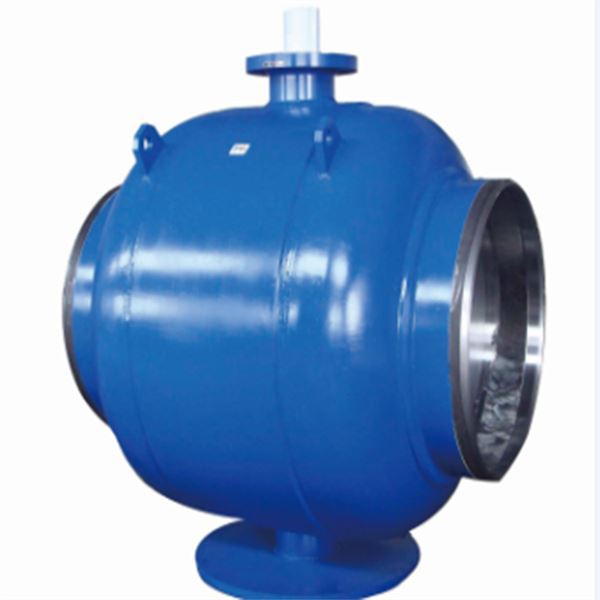

Making the Right Choice
When choosing between a full - port and a standard - port ball valve, you need to consider several factors. First, think about the flow requirements of your application. If you need a high flow rate and low pressure drop, a full - port ball valve is the way to go. But if space is limited or cost is a major concern, a standard - port ball valve might be more suitable.
You also need to consider the nature of the fluid. If the fluid contains solid particles, a full - port ball valve may be better to prevent clogging. On the other hand, if the fluid is clean and the pressure drop is not a critical issue, a standard - port ball valve can be a cost - effective option.
Contact Us for Your Ball Valve Needs
If you're still not sure which type of ball valve is right for your application, don't worry! We're here to help. As a ball valve supplier, we have a team of experts who can provide you with professional advice and guidance. Whether you need a full - port, standard - port, eccentric half ball valve, or two - way metal hard - sealed ball valve, we can offer you high - quality products at competitive prices.
So, if you're interested in purchasing ball valves for your project, feel free to get in touch with us. We'll work with you to understand your requirements and find the best solution for your needs.
References
- "Valve Handbook" by J. E. Berlamont
- "Handbook of Valves" by Robert E. McKetta


