

Hey there! As a bearings supplier, I've seen firsthand how crucial proper storage is for these essential components. Bearings are the unsung heroes of countless machines, allowing them to run smoothly and efficiently. But if they're not stored correctly, their performance can take a nosedive, leading to costly repairs and downtime. So, let's dive into the storage requirements for bearings and how you can keep them in tip-top shape.
Clean and Dry Environment
First things first, bearings need to be stored in a clean and dry environment. Dust, dirt, and moisture are the enemies of bearings, as they can cause corrosion and premature wear. Ideally, the storage area should be temperature and humidity-controlled, with a relative humidity of less than 60%. If you're storing bearings in a warehouse, make sure it's well-ventilated and free from any sources of moisture, such as leaks or condensation.
I once had a customer who stored their bearings in a damp basement. When they finally went to use them, they noticed that the bearings were rusty and wouldn't turn smoothly. They ended up having to replace all the bearings, which cost them a fortune. So, trust me when I say that keeping your bearings dry is essential.
Protection from Contamination
In addition to keeping the storage area clean and dry, you also need to protect the bearings from contamination. This means keeping them away from any sources of dirt, dust, or debris. One way to do this is to store the bearings in their original packaging or in sealed containers. If you need to remove the bearings from their packaging, make sure you handle them with clean hands or gloves to avoid transferring any dirt or oil onto them.
Another important thing to consider is the storage surface. Bearings should be stored on a flat, clean surface that won't scratch or damage them. Avoid storing them on rough or uneven surfaces, as this can cause the bearings to become misaligned or damaged.
Proper Handling
Proper handling is also crucial when it comes to storing bearings. When you're moving or transporting bearings, make sure you do it carefully to avoid any impact or shock. Dropping or mishandling bearings can cause them to become damaged, which can affect their performance.
If you need to lift a bearing, use a suitable lifting device, such as a hoist or crane. Make sure the lifting device is properly secured and that the bearing is balanced to avoid any tilting or shifting. When you're installing or removing a bearing, use the correct tools and follow the manufacturer's instructions to avoid any damage.
Temperature and Humidity
As I mentioned earlier, temperature and humidity are important factors to consider when storing bearings. Bearings should be stored at a stable temperature, ideally between 10°C and 30°C (50°F and 86°F). Extreme temperatures can cause the bearings to expand or contract, which can affect their performance.
Humidity is also a concern, as high humidity can cause corrosion and rust. If the humidity in the storage area is too high, you can use a dehumidifier to reduce it. On the other hand, if the humidity is too low, the bearings can become dry and brittle, which can also affect their performance.
Storage Orientation
The orientation of the bearings during storage is also important. Bearings should be stored in a horizontal position to avoid any stress or deformation. If you need to store the bearings vertically, make sure they're properly supported to prevent any sagging or bending.

Lubrication
Lubrication is essential for the proper functioning of bearings. When you're storing bearings, make sure they're properly lubricated to prevent any corrosion or rust. You can use a suitable lubricant, such as oil or grease, to lubricate the bearings. Make sure you apply the lubricant evenly and in the correct amount.
If you're storing bearings for an extended period of time, you may need to re-lubricate them periodically to ensure they remain protected. You can check the manufacturer's recommendations for the frequency of re-lubrication.
Inspection
Regular inspection is also important when it comes to storing bearings. You should inspect the bearings periodically to check for any signs of damage or wear. Look for any cracks, chips, or other defects in the bearings. If you notice any damage, you should replace the bearings immediately to avoid any further problems.
You should also check the lubrication level of the bearings during the inspection. If the lubrication level is low, you should add more lubricant to the bearings.
Specific Storage Requirements for Different Types of Bearings
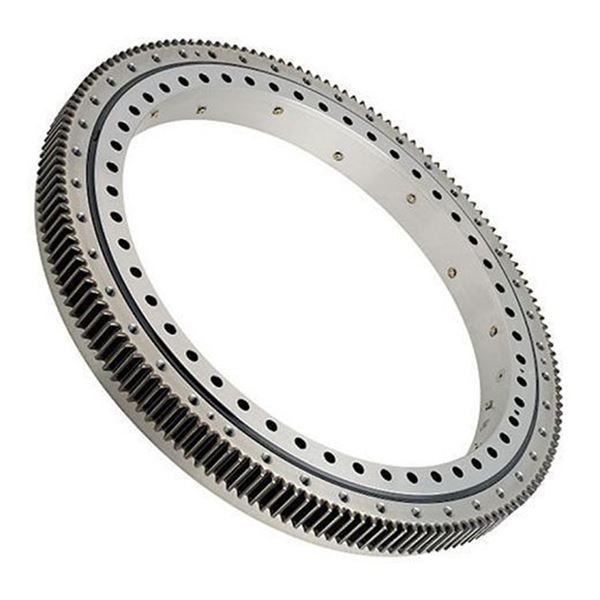
Different types of bearings may have specific storage requirements. For example, Excavator Slewing Bearings and Tower Crane Slewing Bearings are large and heavy bearings that require special handling and storage. These bearings should be stored in a flat, stable position to prevent any damage or deformation.
Some bearings may also require special packaging or protection during storage. For example, some bearings may need to be stored in a nitrogen-filled environment to prevent oxidation. Make sure you check the manufacturer's recommendations for the specific storage requirements of the bearings you're storing.
Conclusion
In conclusion, proper storage is essential for the performance and longevity of bearings. By following these storage requirements, you can ensure that your bearings remain in good condition and are ready to use when you need them. Remember to keep the storage area clean and dry, protect the bearings from contamination, handle them carefully, control the temperature and humidity, store them in the correct orientation, lubricate them properly, and inspect them regularly.
If you're in the market for high-quality bearings, look no further! As a leading bearings supplier, we offer a wide range of bearings to meet your needs. Whether you need Excavator Slewing Bearings or Tower Crane Slewing Bearings, we've got you covered. Contact us today to discuss your bearing requirements and let's start a great partnership!
References
- "Bearing Storage and Handling Guidelines," SKF Group.
- "Proper Bearing Storage and Handling," Timken Company.
- "Storage and Handling of Bearings," NSK Ltd.


