

Hey there! As a bearings supplier, I've seen firsthand the importance of safety when it comes to handling bearings. Bearings are crucial components in a wide range of machinery, from small household appliances to large industrial equipment. Mishandling them can not only lead to premature bearing failure but also pose serious safety risks to the operators. So, let's dive into some safety precautions you should take when handling bearings.
Pre - handling Preparations
Before you even touch a bearing, it's essential to do some groundwork. First off, make sure you're wearing the right personal protective equipment (PPE). This includes safety glasses to protect your eyes from any debris that might fly off during handling, gloves to prevent cuts and abrasions, and steel - toed boots in case a bearing accidentally drops on your feet.

Another important step is to clean the work area. Remove any dirt, dust, or other contaminants that could get into the bearing. A clean work surface reduces the risk of foreign particles getting trapped inside the bearing, which can cause excessive wear and tear. Also, ensure that all the tools you'll be using, like wrenches, pullers, and presses, are in good working condition. Faulty tools can lead to inaccurate installations or cause damage to the bearings.
Inspection
Once you've got your PPE on and a clean workspace, it's time to inspect the bearings. Check for any visible signs of damage, such as cracks, dents, or corrosion. A damaged bearing can fail unexpectedly, so it's better to identify these issues early on. You can use a magnifying glass for a more detailed inspection, especially for small bearings.
Also, pay attention to the bearing's lubrication. If it's a pre - lubricated bearing, make sure the lubricant hasn't leaked or dried out. Proper lubrication is vital for reducing friction and heat, which in turn extends the bearing's lifespan. If the lubrication looks off, it might be a sign that the bearing has been stored incorrectly or has some internal problems.
Handling with Care
When it comes to actually picking up and moving the bearings, be gentle. Bearings are precision - made components, and rough handling can cause internal damage. Avoid dropping or hitting the bearings against hard surfaces. If you need to move a large bearing, use a hoist or a forklift, and make sure it's properly secured during transportation.
When installing or removing bearings, follow the manufacturer's instructions carefully. For example, when using a press to install a bearing onto a shaft, apply the force evenly. Uneven force can cause the bearing to become misaligned, leading to premature failure. And when removing a bearing, use the right puller to avoid damaging the bearing or the shaft.
Storage
Proper storage is just as important as handling. Bearings should be stored in a clean, dry, and temperature - controlled environment. High humidity can cause corrosion, while extreme temperatures can affect the bearing's material properties. Store the bearings in their original packaging if possible, or use protective covers to keep them clean.
If you're storing bearings for a long time, it's a good idea to rotate them periodically. This helps prevent flat spots from forming on the rolling elements due to long - term static loading.
Special Considerations for Different Types of Bearings
Now, let's talk about some special safety precautions for specific types of bearings.
Tower Crane Slewing Bearings
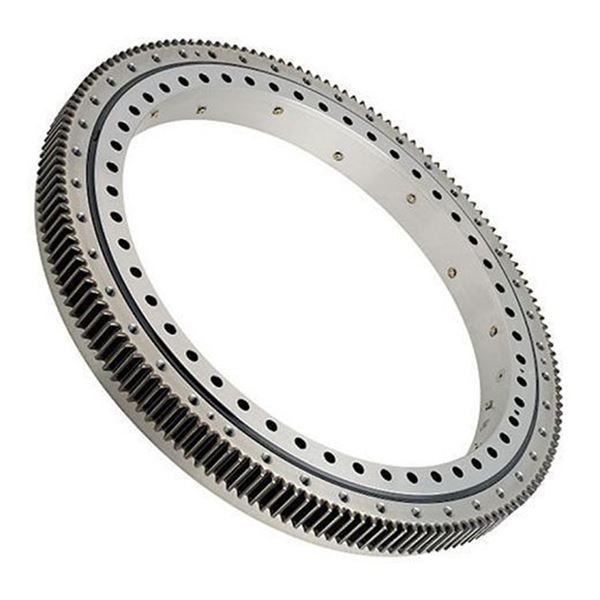
Tower crane slewing bearings are huge and play a critical role in the operation of tower cranes. When handling Tower Crane Slewing Bearings, you need to have a well - planned lifting and installation procedure. These bearings are heavy, so you'll need a powerful crane or hoist to lift them. Make sure the lifting equipment is rated for the weight of the bearing.
During installation, ensure that the mounting surface is perfectly flat and clean. Any unevenness can cause the bearing to be under stress, leading to potential failure. And because tower cranes operate at great heights, proper installation is not only important for the bearing's performance but also for the safety of the entire crane and the people working around it.
Excavator Slewing Bearings
Excavator Slewing Bearings are also large and heavy. They are constantly exposed to harsh working conditions, such as dirt, dust, and vibrations. When handling these bearings, it's crucial to keep them clean. Before installation, thoroughly clean the bearing and the mounting area on the excavator.
Also, pay attention to the alignment of the bearing during installation. Misaligned excavator slewing bearings can cause the excavator to operate inefficiently and increase the wear on other components. And since excavators are used in construction and mining sites, a bearing failure can lead to costly downtime and safety hazards.
Training and Education
One of the most important safety precautions is to ensure that all the people involved in handling bearings are properly trained. They should know how to inspect, handle, install, and store bearings correctly. Regular training sessions can help keep everyone up - to - date with the latest safety procedures and best practices.
Conclusion
In conclusion, handling bearings safely is of utmost importance. By following these safety precautions, you can not only protect the bearings but also ensure the safety of the operators and the efficient operation of the machinery. Whether you're dealing with small bearings in a factory or large Tower Crane Slewing Bearings on a construction site, these guidelines can help you avoid costly mistakes and potential disasters.
If you're in the market for high - quality bearings and need more information or want to discuss your specific requirements, feel free to reach out. I'm here to help you find the right bearings for your needs and ensure that you handle them safely.
References
- "Bearing Handbook" by SKF
- Manufacturer's installation and maintenance guides for various bearings.


