

Hey there! As a ball valve supplier, I've seen my fair share of issues with ball valves not closing properly. It can be a real pain in the neck, especially when you're in the middle of an important project. But don't worry, I'm here to help you troubleshoot this common problem.
First off, let's understand what a ball valve is. A ball valve is a type of valve that uses a ball to control the flow of fluid through a pipeline. When the valve is open, the ball has a hole in it that aligns with the pipeline, allowing the fluid to pass through. When you want to close the valve, you turn the handle, which rotates the ball so that the hole is perpendicular to the pipeline, blocking the flow.
So, if your ball valve won't close, where do you start?
Check for External Obstructions
The first thing you should do is take a good look at the outside of the valve. Sometimes, the problem can be as simple as an external obstruction. Check around the valve handle to make sure nothing is preventing it from turning. There could be debris, tools, or other objects blocking the handle's movement. Remove any such obstructions and try to close the valve again.

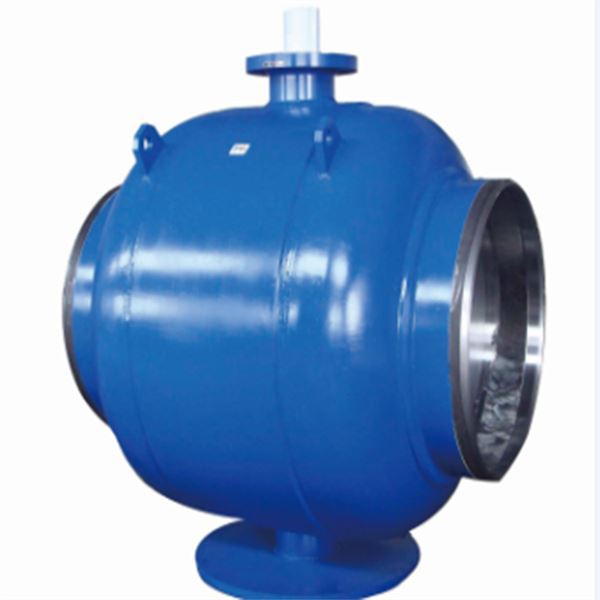
Also, inspect the valve body for any signs of physical damage. If the valve has been bumped or hit, it could be bent or dented, which might stop it from closing correctly. In case of significant damage, you might need to replace the valve. We offer a variety of high - quality ball valves, like the Pipeline Ball Valve, which is designed to withstand tough conditions.
Examine the Valve Seat
The valve seat is the part of the valve that the ball seals against when the valve is closed. Over time, the seat can get damaged or worn out. This can happen due to the flow of abrasive fluids, high - pressure conditions, or just normal wear and tear.
To check the valve seat, you'll need to disassemble the valve. Make sure to follow all safety procedures and shut off the fluid flow in the pipeline before you start. Once you've removed the valve cover and accessed the seat, look for signs of damage such as scratches, pits, or cracks. If the seat is damaged, it might not create a proper seal with the ball, causing the valve to leak even when you try to close it.
In some cases, you can repair the valve seat by resurfacing it. However, if the damage is too severe, you'll need to replace the seat. We have a wide range of replacement parts for our ball valves, including seats for the Two - way Metal Hard Sealed Ball Valve.
Look at the Ball
The ball itself can also be a source of problems. Just like the seat, the ball can get damaged or worn. Check the ball for any signs of scratches, dents, or corrosion. A damaged ball won't be able to form a tight seal with the seat, leading to a valve that won't close properly.
If the ball is slightly damaged, you might be able to clean it and remove any debris or buildup on its surface. Use a soft cloth and a mild cleaning agent. But if the damage is significant, you'll need to replace the ball. We provide replacement balls for all our ball valve models, including the Eccentric Half Ball Valve.
Check the Stem and Actuator
The stem is the part that connects the valve handle to the ball. If the stem is damaged or misaligned, it won't be able to rotate the ball correctly, preventing the valve from closing. Inspect the stem for any signs of bending, breakage, or excessive wear. You might also need to check the connection between the stem and the ball to make sure it's secure.
If your ball valve is automated and has an actuator, the actuator could be the culprit. An actuator is a device that opens and closes the valve automatically. Check the actuator's power supply, control signals, and mechanical linkages. Make sure it's receiving the correct commands and that there are no mechanical failures in the actuator itself.
Consider the Fluid
The type of fluid flowing through the valve can also cause problems. If the fluid contains a lot of solids or debris, it can get trapped inside the valve, preventing it from closing. In such cases, you might need to install a filter upstream of the valve to remove the solids before they reach the valve.
Some fluids can also cause corrosion or chemical reactions inside the valve. For example, acidic or alkaline fluids can eat away at the valve components over time. If you suspect that the fluid is causing the problem, you might need to choose a valve made from more corrosion - resistant materials.
Lubrication
Proper lubrication is essential for the smooth operation of a ball valve. Over time, the lubricant inside the valve can dry out or become contaminated. This can make it difficult to turn the valve handle and prevent the ball from rotating freely.
If you think lubrication might be the issue, you can add some suitable lubricant to the valve. Make sure to use a lubricant that is compatible with the valve materials and the fluid flowing through the pipeline. However, be careful not to over - lubricate, as too much lubricant can also cause problems.
Testing
After you've made any repairs or adjustments, it's important to test the valve. Slowly open and close the valve a few times to make sure it's operating smoothly. Check for any signs of leakage around the valve body, the stem, or the connections. If you notice any leaks, you'll need to go back and re - check your work.
In conclusion, troubleshooting a ball valve that won't close can be a bit of a process, but by following these steps, you should be able to identify and fix the problem. As a ball valve supplier, we're committed to providing you with high - quality products and the support you need to keep your systems running smoothly.
If you're facing persistent issues with your ball valves or if you're in the market for new valves or replacement parts, don't hesitate to reach out to us. We can help you choose the right valve for your specific application and provide you with all the technical assistance you need.
References
- Valve Handbook, Various Authors
- Industrial Valve Installation and Maintenance Guide, Industry Publications


