

When it comes to industrial operations, the use of ball valves is widespread due to their efficiency and reliability. As a leading ball valve supplier, I understand the importance of safety considerations when using these essential components. In this blog post, I will delve into the key safety aspects that users should keep in mind to ensure the proper and secure operation of ball valves.
Understanding Ball Valves
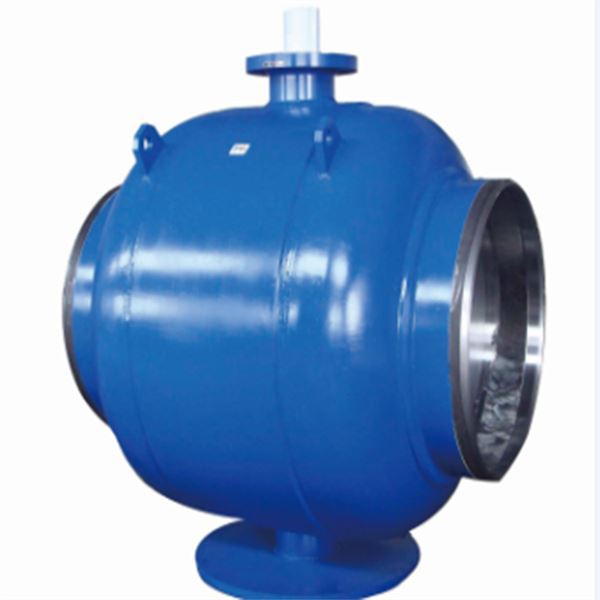
Before discussing safety considerations, it's essential to have a basic understanding of ball valves. A ball valve is a quarter - turn valve that uses a hollow, perforated, and pivoting ball to control the flow of a fluid. When the valve is open, the hole in the ball aligns with the flow path, allowing the fluid to pass through. When the valve is closed, the ball is rotated a quarter - turn so that the hole is perpendicular to the flow path, blocking the fluid.
There are various types of ball valves available in the market, each with its own unique features and applications. For instance, the Two - way Metal Hard Sealed Ball Valve is designed for high - pressure and high - temperature applications, offering excellent sealing performance. The Eccentric Half Ball Valve is suitable for applications where precise flow control is required. And the Pipeline Ball Valve is commonly used in pipeline systems to regulate the flow of fluids.
Installation Safety
The proper installation of ball valves is crucial for their safe and efficient operation. Here are some installation safety considerations:
- Correct Orientation: Ball valves should be installed in the correct orientation as specified by the manufacturer. Incorrect installation can lead to improper sealing, leakage, and reduced valve lifespan. For example, some ball valves are designed to be installed in a horizontal position, while others can be installed vertically.
- Proper Support: Adequate support should be provided to the ball valve and the connected piping. This helps to prevent excessive stress on the valve due to the weight of the piping or external forces. Improper support can cause the valve to misalign, leading to leaks or damage.
- Clean Piping: Before installing the ball valve, the piping system should be thoroughly cleaned to remove any debris, dirt, or welding slag. These contaminants can damage the valve seats and seals, resulting in poor sealing performance and potential leakage.
- Sealing and Gaskets: Use the correct sealing materials and gaskets as recommended by the manufacturer. Incorrect gaskets can lead to leaks, especially in high - pressure or high - temperature applications. Ensure that the gaskets are properly installed and tightened to the recommended torque values.
Operation Safety
Once the ball valve is installed, proper operation is essential for safety. Here are some key points to consider during operation:
- Proper Actuation: Ball valves are typically actuated manually, pneumatically, hydraulically, or electrically. Ensure that the actuation method is appropriate for the application and that the operator is trained to use it correctly. For example, if using a pneumatic actuator, check the air pressure regularly to ensure it is within the recommended range.
- Avoid Over - Torquing: When operating the ball valve manually, avoid over - torquing the valve handle. Over - torquing can damage the valve stem, seats, or seals, leading to leakage or valve failure. Follow the manufacturer's recommended torque values for manual operation.
- Monitoring and Inspection: Regularly monitor the operation of the ball valve and conduct inspections. Check for any signs of leakage, abnormal noise, or vibration. If any issues are detected, take immediate action to address them. For example, if there is a small leak, it may be possible to tighten the packing or replace the gasket.
- Emergency Shutdown: In case of an emergency, the ball valve should be able to be shut down quickly and safely. Ensure that the emergency shutdown procedure is well - defined and that all operators are familiar with it.
Maintenance Safety
Proper maintenance is essential to ensure the long - term safety and performance of ball valves. Here are some maintenance safety considerations:
- Scheduled Maintenance: Develop a regular maintenance schedule for the ball valves. This includes tasks such as lubrication, inspection of seals and seats, and checking the operation of actuators. Scheduled maintenance helps to identify and address potential issues before they become major problems.
- Lubrication: Lubricate the valve stem and other moving parts as recommended by the manufacturer. Proper lubrication reduces friction, extends the valve lifespan, and ensures smooth operation. Use the appropriate lubricants for the specific application.
- Replacement of Worn Parts: Over time, the seals, seats, and other components of the ball valve may wear out. Replace these worn parts promptly with genuine manufacturer - recommended parts. Using non - genuine parts can compromise the safety and performance of the valve.
- Isolation and Lock - Out/Tag - Out: Before performing any maintenance on the ball valve, isolate the valve from the system and follow the lock - out/tag - out procedure. This ensures that the valve cannot be accidentally opened during maintenance, protecting the maintenance personnel from potential hazards.
Environmental Safety
The environment in which the ball valve operates can also have an impact on its safety. Here are some environmental safety considerations:
- Temperature and Pressure: Ensure that the ball valve is rated for the temperature and pressure conditions of the application. Operating the valve outside its rated temperature and pressure range can lead to valve failure, leakage, or even explosion.
- Corrosion and Erosion: In corrosive or erosive environments, select ball valves with appropriate materials of construction. For example, in a chemical processing plant, stainless steel or alloy ball valves may be required to resist corrosion. Regularly inspect the valve for signs of corrosion or erosion and take appropriate measures to protect it.
- Fire and Explosion Hazards: In areas where there is a risk of fire or explosion, use ball valves that are designed to meet the relevant safety standards. These valves may have features such as fire - safe design or explosion - proof actuators.
Training and Education
One of the most important aspects of ensuring safety when using ball valves is training and education. All operators and maintenance personnel should receive proper training on the installation, operation, and maintenance of ball valves. This training should cover topics such as valve selection, safety procedures, and emergency response. By providing comprehensive training, companies can reduce the risk of accidents and ensure the safe operation of ball valves.
Conclusion
In conclusion, there are several important safety considerations when using ball valves. From installation to operation, maintenance, and environmental factors, every aspect plays a crucial role in ensuring the safe and efficient performance of these valves. As a ball valve supplier, I am committed to providing high - quality products and offering technical support to help our customers ensure the safety of their ball valve applications.
If you are in need of ball valves for your industrial applications and want to discuss your specific requirements, please feel free to contact us. We are here to provide you with the best solutions and ensure that you can use our ball valves safely and effectively.

References
- Valve Handbook, 4th Edition, by Leo K. Lin
- Industrial Valves: Selection, Specification, and Installation, by Michael J. Zaloudek


