

Hey there! As a supplier of Slip On Flanges, I often get asked about the torque value for tightening Slip On Flange bolts. It's a crucial question because getting the torque right is super important for the safety and efficiency of any piping system. In this blog, I'll break down what torque values are, why they matter, and how to figure out the right ones for your Slip On Flanges.
First off, let's talk about what torque is. Torque is basically a measure of the force that causes an object to rotate. When we're talking about tightening bolts on a Slip On Flange, the torque value tells us how much force we need to apply to the bolt to make sure it's tightened properly. If the torque is too low, the flange might not be sealed correctly, which can lead to leaks. On the other hand, if the torque is too high, it can damage the bolt or the flange itself.
Now, why does the torque value matter so much? Well, Slip On Flanges are used in all sorts of industries, from oil and gas to water treatment. In these industries, a leak can be a huge problem. It can lead to environmental damage, loss of product, and even safety hazards. By using the right torque value, we can ensure that the flange is sealed tightly and that the piping system is operating safely and efficiently.
So, how do we figure out the right torque value for tightening Slip On Flange bolts? There are a few factors that we need to consider.
1. Bolt Size and Grade
The size and grade of the bolt are two of the most important factors in determining the torque value. Different bolt sizes and grades have different strength properties, which means they require different amounts of torque to tighten properly. For example, a larger bolt will generally require more torque than a smaller bolt. Similarly, a higher-grade bolt will require more torque than a lower-grade bolt.
2. Flange Material and Design
The material and design of the flange also play a role in determining the torque value. Different materials have different hardness and elasticity properties, which can affect how much torque is needed to tighten the bolts. For example, a flange made of a softer material might require less torque than a flange made of a harder material. The design of the flange, such as its thickness and shape, can also affect the torque value.
3. Gasket Material and Thickness
The gasket is the seal that sits between the two flanges. The material and thickness of the gasket can also affect the torque value. Different gasket materials have different compression properties, which means they require different amounts of torque to compress properly. For example, a softer gasket material might require less torque than a harder gasket material. The thickness of the gasket can also affect the torque value, as a thicker gasket will generally require more torque to compress.
4. Operating Conditions
The operating conditions of the piping system, such as the pressure and temperature, can also affect the torque value. Higher pressures and temperatures can cause the flange and bolts to expand and contract, which can affect the tightness of the connection. In these cases, a higher torque value might be required to ensure that the flange remains sealed.

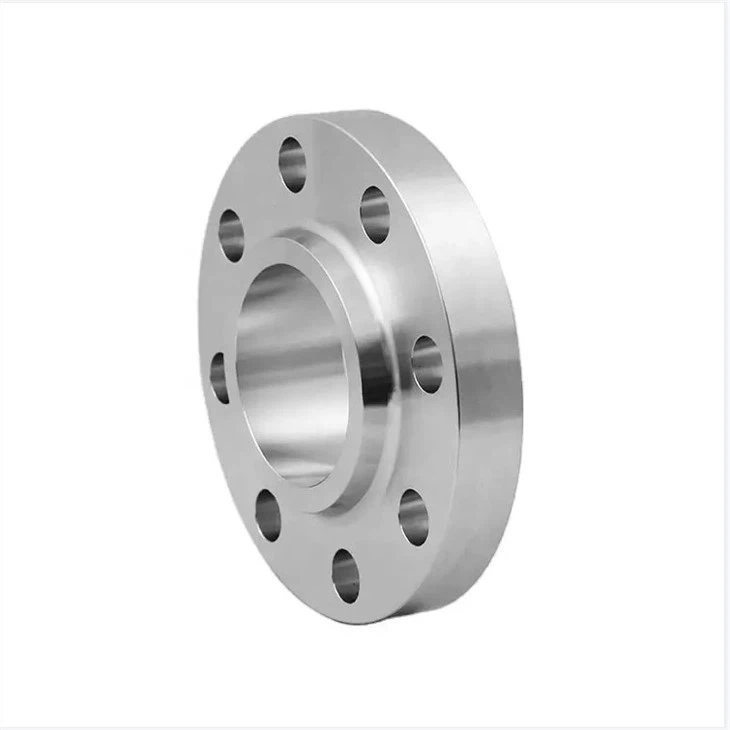
To help you get a better idea of the torque values for different types of Slip On Flanges, here are some general guidelines for JIS Slip On Flange, GB Slip-on Flange, and ANSI Slip On Flange.
JIS Slip On Flange
For JIS Slip On Flanges, the torque values are typically specified in the JIS standards. These standards take into account the bolt size, grade, flange material, and gasket material. Here's a rough guide for some common bolt sizes:
- M12 bolts: The torque value is usually around 20 - 30 Nm.
- M16 bolts: The torque value is usually around 50 - 70 Nm.
- M20 bolts: The torque value is usually around 100 - 130 Nm.
However, it's important to note that these values are just a guide. You should always refer to the specific JIS standard for your flange and bolt combination to get the accurate torque value.
GB Slip-on Flange
GB Slip-on Flanges follow the Chinese national standards. Similar to JIS, the torque values are determined based on factors like bolt size, grade, flange material, and gasket material. Here are some approximate torque values for common bolt sizes:
- M12 bolts: The torque value is approximately 25 - 35 Nm.
- M16 bolts: The torque value is around 60 - 80 Nm.
- M20 bolts: The torque value is roughly 120 - 150 Nm.
Again, these are just estimates. You need to check the relevant GB standard for the exact torque value.
ANSI Slip On Flange
ANSI Slip On Flanges are widely used in the United States and other countries. The ANSI standards provide detailed torque values for different bolt sizes, grades, flange classes, and gasket materials. Here are some common torque values for different ANSI flange classes:
- Class 150:
- M12 bolts: The torque value is about 22 - 32 Nm.
- M16 bolts: The torque value is around 55 - 75 Nm.
- M20 bolts: The torque value is approximately 110 - 140 Nm.
- Class 300:
- M12 bolts: The torque value is usually 28 - 40 Nm.
- M16 bolts: The torque value is around 70 - 90 Nm.
- M20 bolts: The torque value is roughly 130 - 160 Nm.
As always, it's crucial to refer to the ANSI standard for your specific flange and bolt combination to get the correct torque value.
Now that we've talked about how to determine the torque value, let's talk about how to actually tighten the bolts. When tightening the bolts, it's important to use a torque wrench. A torque wrench is a tool that allows you to apply a specific amount of torque to the bolt. This ensures that the bolt is tightened to the correct torque value.
Here's a step-by-step guide on how to tighten Slip On Flange bolts using a torque wrench:
- Clean the Flanges and Bolts: Before you start tightening the bolts, make sure the flanges and bolts are clean. Remove any dirt, debris, or rust from the surfaces.
- Install the Gasket: Place the gasket between the two flanges. Make sure the gasket is centered and properly aligned.
- Insert the Bolts: Insert the bolts through the holes in the flanges. Make sure the bolts are evenly spaced and that the nuts are tightened by hand until they are snug.
- Tighten the Bolts in a Crisscross Pattern: Using the torque wrench, tighten the bolts in a crisscross pattern. This helps to ensure that the flange is tightened evenly and that the gasket is compressed uniformly.
- Apply the Torque in Stages: It's usually a good idea to apply the torque in stages. Start by tightening the bolts to about one-third of the recommended torque value. Then, go around the flange again and tighten the bolts to two-thirds of the recommended torque value. Finally, go around the flange one more time and tighten the bolts to the full recommended torque value.
- Check the Torque: After you've tightened all the bolts, check the torque again to make sure that each bolt has been tightened to the correct value.
In conclusion, getting the right torque value for tightening Slip On Flange bolts is crucial for the safety and efficiency of any piping system. By considering factors like bolt size and grade, flange material and design, gasket material and thickness, and operating conditions, you can determine the correct torque value for your specific application. And by using a torque wrench and following the proper tightening procedure, you can ensure that the flange is tightened properly and that the gasket is compressed uniformly.
If you're in the market for Slip On Flanges and need more information about torque values or any other aspect of our products, feel free to reach out to us. We're here to help you find the right solution for your needs. Whether you're working on a small project or a large industrial installation, we've got the expertise and the products to support you. Let's start a conversation and see how we can work together to make your piping system a success.
References
- ASME B16.5 - Pipe Flanges and Flanged Fittings
- JIS B2220 - Pipe Flanges and Flanged Fittings
- GB/T 9119 - Plate Flanges Welded onto Pipes


