

Hey there! As a supplier of butterfly valves, I often get asked about the static response of these nifty little devices. So, I thought I'd take a few minutes to break it down for you in plain English.
First things first, let's talk about what a butterfly valve is. It's a type of valve that uses a disc to control the flow of fluid through a pipe. The disc is mounted on a shaft that rotates to open or close the valve. When the disc is parallel to the flow of fluid, the valve is fully open, and when it's perpendicular, the valve is fully closed.
Now, let's get into the static response of a butterfly valve. The static response refers to how the valve behaves when it's not in motion. In other words, it's about the valve's ability to hold a certain position and maintain a specific flow rate without any external forces acting on it.

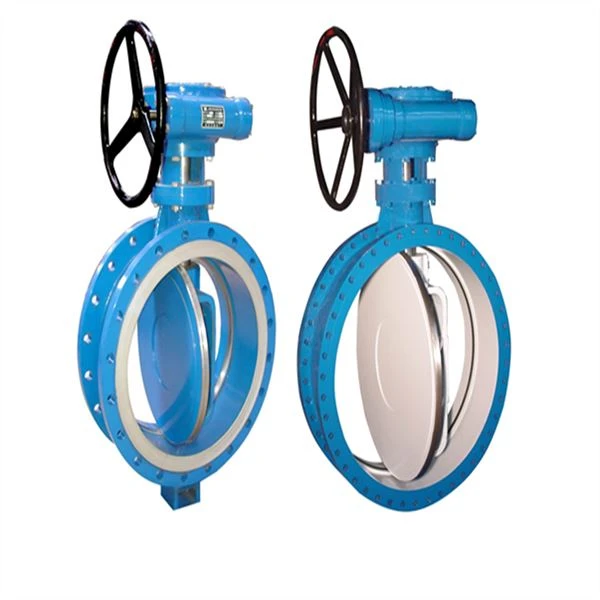
One of the key factors that affects the static response of a butterfly valve is the type of seal it uses. There are different types of seals available, such as rubber lined, two - way metal sealed, and triple eccentric metal hard sealed.
For example, a Rubber Lined Butterfly Valve is known for its excellent sealing performance. The rubber lining provides a tight seal against the disc, which helps in maintaining a stable flow rate when the valve is in a static position. This type of valve is often used in applications where a high degree of sealing is required, like in water treatment plants or chemical processing facilities.
On the other hand, a Two - way Metal Sealed Butterfly Valve offers better durability and resistance to high temperatures and pressures. The metal seal can withstand harsh operating conditions, and it ensures that the valve remains stable and leak - free even when there are significant variations in the system's pressure. This makes it a great choice for industries like oil and gas, where the valves need to perform reliably under extreme conditions.
Then, we have the Triple Eccentric Metal Hard Sealed Butterfly Valve. This valve is designed with a unique triple - eccentric structure, which allows for a perfect seal and minimal wear during operation. When it comes to static response, this valve can maintain a precise flow rate even in high - pressure and high - temperature environments. It's commonly used in power generation plants and other industrial applications where accuracy and reliability are crucial.
Another aspect that impacts the static response is the disc design. The shape and size of the disc can influence how well the valve controls the flow. A well - designed disc will provide a smooth and stable flow, reducing turbulence and pressure drops. This is important because excessive turbulence can cause the valve to vibrate or even change its position, affecting the static response.
The actuator of the butterfly valve also plays a role in its static response. The actuator is what moves the valve disc to open or close the valve. A high - quality actuator can accurately position the disc and hold it securely in place. For instance, an electric actuator can be programmed to maintain a specific angle of the disc, ensuring a consistent flow rate.
Now, let's talk about some of the challenges related to the static response of butterfly valves. One common issue is valve leakage. Even with the best seals, over time, wear and tear can cause the seal to degrade, leading to leakage. This can affect the valve's ability to maintain a stable flow rate. Regular maintenance and inspection are essential to catch any signs of leakage early on and take corrective action.
Another challenge is the build - up of debris or deposits inside the valve. This can interfere with the movement of the disc and disrupt the static response. To prevent this, it's important to use proper filtration systems and clean the valves regularly.
In conclusion, understanding the static response of a butterfly valve is crucial for ensuring its proper performance in any application. Whether you're in the water treatment, oil and gas, or power generation industry, choosing the right type of butterfly valve based on its static response characteristics is essential.
If you're in the market for a butterfly valve and want to learn more about how our products can meet your needs, we'd love to have a chat with you. We can discuss your specific requirements and help you select the perfect valve for your application. Don't hesitate to reach out for a purchase negotiation.
References
- Valve Handbook by Tom Walley
- Industrial Valves: Selection, Specification, and Installation by Daniel W. Brown


