

Hey there! As a supplier of Slip On Flanges, I often get asked about the pressure rating of these handy components. So, I thought I'd break it down for you in this blog post.
First off, let's understand what a Slip On Flange is. It's a type of flange that slides over the pipe and is then welded in place. They're pretty popular because they're easy to install and can be used in a variety of applications. You can find different standards of Slip On Flanges, like ANSI Slip On Flange, DIN Slip On Flange, and GB Slip-on Flange. Each standard has its own set of specifications, including pressure ratings.
What is Pressure Rating?
The pressure rating of a Slip On Flange is basically the maximum amount of pressure that the flange can safely handle under normal operating conditions. It's a crucial factor because if you exceed this rating, it can lead to leaks, failures, and even dangerous situations.
The pressure rating is determined by several factors. One of the main ones is the material of the flange. Flanges can be made from different materials such as carbon steel, stainless steel, and alloy steel. Each material has its own strength and durability characteristics, which directly affect the pressure rating. For example, stainless steel flanges are often more corrosion - resistant and can handle higher pressures in certain environments compared to carbon steel ones.
Another important factor is the size of the flange. Generally, larger flanges have a different pressure - handling capacity than smaller ones. The thickness of the flange also plays a role. A thicker flange can usually withstand more pressure because it has more material to resist the forces exerted by the fluid or gas inside the pipe.
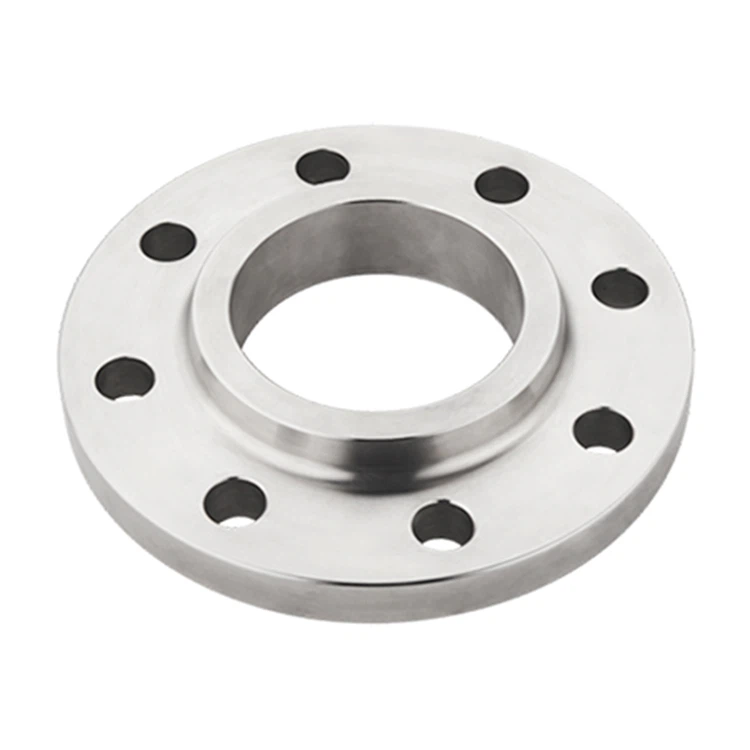

ANSI Slip On Flange Pressure Ratings
The ANSI (American National Standards Institute) standards for Slip On Flanges have well - defined pressure ratings. ANSI flanges are commonly used in the United States and many other countries around the world. The pressure ratings are classified into different classes, such as Class 150, Class 300, Class 600, and so on.
A Class 150 ANSI Slip On Flange is designed to handle relatively low pressures. It can typically withstand pressures up to around 270 psi (pounds per square inch) at a temperature of 100°F. As the class number increases, the pressure - handling capacity also goes up. For instance, a Class 300 ANSI Slip On Flange can handle pressures up to about 740 psi at 100°F.
These ratings are based on specific temperature and material conditions. As the temperature changes, the pressure - rating of the flange also changes. Higher temperatures usually reduce the pressure - handling capacity of the flange because the material becomes weaker.
DIN Slip On Flange Pressure Ratings
DIN (Deutsches Institut für Normung) standards are widely used in Europe and other parts of the world. DIN Slip On Flanges also have their own pressure - rating system. Similar to ANSI, the pressure ratings are determined by factors like material, size, and thickness.
DIN flanges are often rated in bars. For example, a DIN Slip On Flange with a rating of PN10 can handle pressures up to 10 bars under normal conditions. A PN16 flange can handle up to 16 bars, and so on. Just like with ANSI flanges, the pressure - rating can vary depending on the temperature. At higher temperatures, the flange may not be able to handle the full rated pressure.
GB Slip - on Flange Pressure Ratings
GB (Guobiao, which means national standards in Chinese) Slip - on Flanges are used in China and some other countries that follow Chinese standards. The GB standards for pressure ratings are also based on similar principles as ANSI and DIN.
GB flanges have different pressure - rating designations. These ratings take into account the material properties, the size of the flange, and the expected operating conditions. The pressure ratings are set to ensure the safe and reliable operation of the piping system.
How to Determine the Right Pressure Rating for Your Application
When you're choosing a Slip On Flange for your project, you need to carefully consider the operating conditions. First, you need to know the maximum pressure that will be present in the piping system. This includes not only the normal operating pressure but also any potential pressure surges.
You also need to take into account the temperature of the fluid or gas in the pipe. As I mentioned earlier, temperature can have a big impact on the pressure - handling capacity of the flange. If the temperature is high, you may need to choose a flange with a higher pressure rating to compensate for the reduced strength of the material.
The type of fluid or gas flowing through the pipe is another factor. Some fluids are more corrosive or abrasive than others. If you're dealing with a corrosive fluid, you may need to choose a flange made from a more corrosion - resistant material, even if it means a slightly lower pressure rating, to ensure long - term reliability.
Importance of Correct Pressure Rating
Using a Slip On Flange with the correct pressure rating is absolutely essential. If you choose a flange with a lower pressure rating than required, it can lead to failures. A failed flange can cause leaks, which can result in loss of product, environmental damage, and safety hazards. For example, in a chemical plant, a leak from a flange can release toxic chemicals into the environment.
On the other hand, if you choose a flange with a much higher pressure rating than necessary, it can be an unnecessary expense. You'll be paying more for a flange that has capabilities you don't actually need.
Selecting the Right Slip On Flange for Your Project
When you're in the process of selecting a Slip On Flange, it's a good idea to consult with an expert. At our company, we have a team of professionals who can help you determine the right pressure - rated flange for your specific application. We can take into account all the factors I've mentioned above, such as material, size, temperature, and the nature of the fluid or gas in the pipe.
We also offer a wide range of Slip On Flanges that meet different standards, including ANSI Slip On Flange, DIN Slip On Flange, and GB Slip - on Flange. Whether you're working on a small - scale project or a large industrial installation, we can provide you with the right flange at a competitive price.
Conclusion
In conclusion, the pressure rating of a Slip On Flange is a critical aspect that you can't afford to overlook. Understanding the factors that determine the pressure rating, such as material, size, temperature, and the standards (ANSI, DIN, GB), is essential for choosing the right flange for your project.
If you're in the market for Slip On Flanges and need help with selecting the right pressure - rated flange, don't hesitate to reach out to us. We're here to assist you in making the best choice for your needs. Whether it's for a new installation or a replacement, we can provide high - quality Slip On Flanges that meet your requirements.
References
- ASME B16.5 - Pipe Flanges and Flanged Fittings
- DIN EN 1092 - Flanges and their joints - Circular flanges for pipes, valves, fittings and accessories, PN designated
- GB/T 9112 - 2010 - Steel pipe flanges


