As a supplier of GB Slip-on Flanges, I understand the importance of adhering to strict inspection standards to ensure the quality and performance of our products. In this blog post, I will delve into the inspection standards for GB Slip-on Flanges, providing you with a comprehensive understanding of what to expect when purchasing from us.
1. Material Inspection
The first step in the inspection process is to verify the material of the GB Slip-on Flange. According to the relevant Chinese national standards (GB), the materials used for slip-on flanges must meet specific chemical and mechanical property requirements.
- Chemical Composition Analysis: We conduct chemical composition analysis to ensure that the flange material contains the correct proportions of elements such as carbon, silicon, manganese, sulfur, and phosphorus. This analysis is typically performed using advanced spectroscopy techniques. For example, the carbon content in a carbon steel GB Slip-on Flange should be within a certain range to ensure proper strength and ductility.
- Mechanical Property Testing: Tensile tests, hardness tests, and impact tests are carried out to assess the mechanical properties of the flange material. Tensile tests determine the ultimate tensile strength, yield strength, and elongation of the material. Hardness tests measure the resistance of the material to indentation, which is an important indicator of its wear resistance. Impact tests evaluate the material's ability to withstand sudden loads without fracturing.
2. Dimensional Inspection
Accurate dimensions are crucial for the proper installation and performance of GB Slip-on Flanges. We use precision measuring tools to ensure that the flanges meet the specified dimensional requirements.
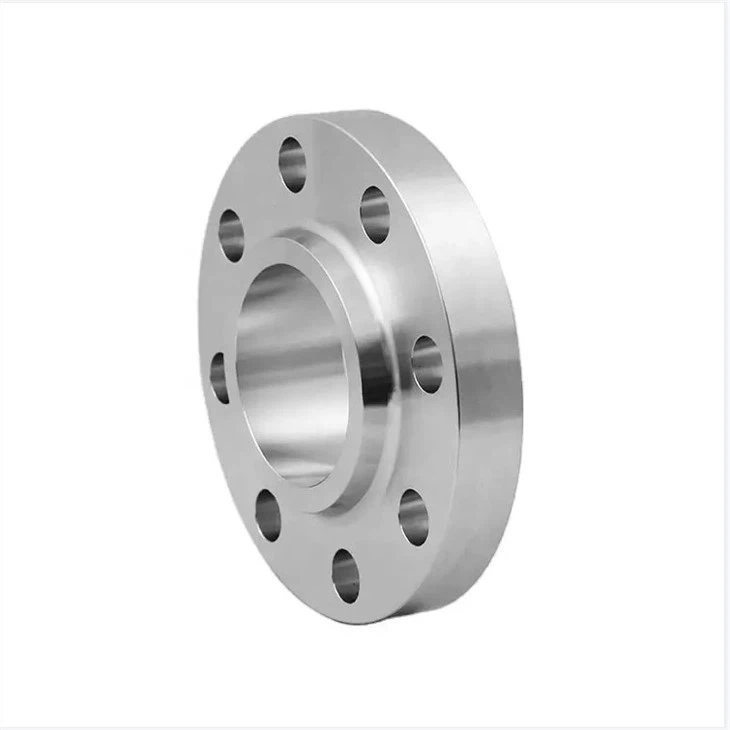

- Outer Diameter and Inner Diameter: The outer diameter and inner diameter of the flange must be within the tolerance limits defined by the GB standards. Any deviation from these limits can lead to installation difficulties and potential leakage issues.
- Thickness: The thickness of the flange is another critical dimension. It affects the flange's strength and ability to withstand pressure. We measure the thickness at multiple points to ensure uniformity.
- Bolt Hole Diameter and Pitch Circle Diameter: The bolt hole diameter and pitch circle diameter must be accurately machined to ensure proper alignment with the mating flange. Incorrect bolt hole dimensions can prevent the bolts from fitting properly, leading to a loose connection.
3. Surface Quality Inspection
The surface quality of the GB Slip-on Flange can have a significant impact on its performance and appearance. We inspect the surface for any defects such as cracks, porosity, and surface roughness.
- Visual Inspection: A visual inspection is the first step in assessing the surface quality of the flange. We look for any visible cracks, scratches, or other surface imperfections. Cracks can propagate under stress, leading to flange failure.
- Surface Roughness Measurement: Surface roughness is measured using a profilometer. The surface roughness of the flange should be within the specified range to ensure a good seal with the mating flange. A rough surface can cause leakage, while a too-smooth surface may not provide enough friction for a secure connection.
- Coating Inspection: If the flange is coated, we inspect the coating for thickness, adhesion, and uniformity. The coating can provide protection against corrosion and improve the flange's appearance.
4. Pressure Testing
Pressure testing is an essential part of the inspection process for GB Slip-on Flanges. It ensures that the flanges can withstand the specified pressure without leakage.
- Hydrostatic Testing: Hydrostatic testing involves filling the flange with water and applying a specified pressure for a certain period. We monitor the pressure and check for any signs of leakage. This test is commonly used to simulate the actual operating conditions of the flange.
- Pneumatic Testing: Pneumatic testing uses compressed air or gas instead of water. It is a more sensitive test method that can detect smaller leaks. However, it requires additional safety precautions due to the potential for explosion.
5. Comparison with Other Standards
While GB Slip-on Flanges are designed to meet the Chinese national standards, it is also important to understand how they compare with other international standards such as DIN, JIS, and ANSI.
- DIN Slip On Flange: DIN Slip-on Flanges are widely used in Europe. They have different dimensional and material requirements compared to GB Slip-on Flanges. For example, the bolt hole patterns and flange thicknesses may vary.
- JIS Slip On Flange: JIS Slip-on Flanges are commonly used in Japan. They are designed to meet the Japanese Industrial Standards. The material specifications and design features of JIS Slip-on Flanges may differ from those of GB Slip-on Flanges.
- ANSI Slip On Flange: ANSI Slip-on Flanges are used in North America. They follow the standards set by the American National Standards Institute. The dimensional and pressure ratings of ANSI Slip-on Flanges may not be the same as those of GB Slip-on Flanges.
6. Documentation and Traceability
We maintain detailed documentation for each GB Slip-on Flange we produce. This documentation includes material certificates, inspection reports, and test results. It provides traceability and ensures that our products can be easily tracked and verified.
- Material Certificates: Material certificates provide information about the chemical composition and mechanical properties of the flange material. They are issued by the material supplier and serve as proof of the material's quality.
- Inspection Reports: Inspection reports document the results of the dimensional, surface quality, and pressure tests. They provide a detailed record of the inspection process and ensure that the flanges meet the specified standards.
- Test Results: Test results, such as tensile test results and hardness test results, are also included in the documentation. They provide objective data on the performance of the flange material.
Conclusion
As a supplier of GB Slip-on Flanges, we are committed to providing high-quality products that meet the strict inspection standards. By conducting thorough material, dimensional, surface quality, and pressure tests, we ensure that our flanges are reliable and safe for use in various applications.
If you are in the market for GB Slip-on Flanges or have any questions about our products, please feel free to contact us for a detailed discussion and potential procurement. We look forward to working with you to meet your flange needs.
References
- Chinese National Standards for Slip-on Flanges (GB)
- Industry best practices for flange inspection and quality control