

What is the hardness requirement for GB Slip - on Flange materials?
As a supplier of GB Slip - on Flanges, I've encountered numerous inquiries regarding the hardness requirements for these crucial components. Understanding the hardness requirements is essential for ensuring the quality, performance, and safety of the flanges in various industrial applications. In this blog, I'll delve into the details of the hardness requirements for GB Slip - on Flange materials, exploring why they matter and how they are determined.
Importance of Hardness in GB Slip - on Flanges
Hardness is a fundamental property of materials that measures their resistance to localized deformation, such as indentation, scratching, or wear. In the context of GB Slip - on Flanges, hardness plays a vital role in several aspects:
- Wear Resistance: Flanges are often subjected to friction and abrasion during installation, operation, and maintenance. A flange with appropriate hardness can withstand these forces without significant wear, ensuring a long service life and reliable performance.
- Sealing Performance: The hardness of the flange material affects its ability to form a tight seal with the mating components. A flange that is too soft may deform under pressure, leading to leaks, while a flange that is too hard may not conform well to the sealing surface, also resulting in sealing issues.
- Strength and Durability: Hardness is closely related to the strength and durability of the flange material. A flange with the right hardness can withstand the mechanical stresses and loads it is exposed to, preventing cracking, deformation, or failure.
Hardness Requirements in GB Standards
The hardness requirements for GB Slip - on Flange materials are specified in relevant Chinese national standards. These standards define the acceptable hardness ranges for different types of flange materials based on their chemical composition, heat treatment, and intended application.
For example, in the case of carbon steel GB Slip - on Flanges, the hardness requirements are typically specified in terms of Brinell hardness (HB). The specific hardness range may vary depending on the grade of carbon steel used, but it generally falls within a certain range to ensure the desired mechanical properties.
Alloy steel and stainless steel GB Slip - on Flanges also have their own unique hardness requirements. These requirements are designed to take into account the specific characteristics of these materials, such as their corrosion resistance, high - temperature performance, and strength.
Factors Affecting Hardness
Several factors can affect the hardness of GB Slip - on Flange materials:
- Chemical Composition: The chemical composition of the material has a significant impact on its hardness. Elements such as carbon, manganese, chromium, and nickel can increase the hardness of the steel, while other elements may have a softening effect. For example, increasing the carbon content in steel generally increases its hardness, but it also reduces its ductility.
- Heat Treatment: Heat treatment processes, such as annealing, quenching, and tempering, can be used to adjust the hardness of the flange material. Annealing is a process that softens the material, while quenching and tempering can increase its hardness and strength. The specific heat treatment parameters, such as the heating temperature, cooling rate, and tempering temperature, need to be carefully controlled to achieve the desired hardness.
- Manufacturing Process: The manufacturing process of the flange can also affect its hardness. For example, forging can improve the hardness and mechanical properties of the material by refining the grain structure. Machining operations, such as cutting and grinding, can also have a minor impact on the surface hardness of the flange.
Testing and Quality Control
To ensure that the GB Slip - on Flange materials meet the specified hardness requirements, rigorous testing and quality control measures are necessary. Hardness testing is typically performed using standardized testing methods, such as the Brinell, Rockwell, or Vickers hardness tests.
During the manufacturing process, samples are taken from the flanges at regular intervals and tested for hardness. If the hardness of the sample does not meet the specified requirements, corrective actions, such as adjusting the heat treatment process or rejecting the non - compliant material, are taken.
In addition to hardness testing, other quality control measures, such as chemical analysis, ultrasonic testing, and visual inspection, are also carried out to ensure the overall quality of the flanges.
Comparison with Other Flange Standards
It's interesting to compare the hardness requirements of GB Slip - on Flanges with those of other international flange standards, such as DIN and ANSI.
DIN Slip On Flange and ANSI Slip On Flange have their own sets of standards and specifications for flange materials, including hardness requirements. While there may be some similarities in the general principles, there can also be differences in the specific values and testing methods.
For example, the DIN standard may have different hardness ranges for similar materials compared to the GB standard, which is mainly due to differences in the design philosophy, application requirements, and manufacturing practices in different regions.
Our Company's Approach as a Supplier
As a supplier of GB Slip - on Flange, we are committed to providing high - quality flanges that meet or exceed the specified hardness requirements. We work closely with our material suppliers to ensure that the raw materials used in the manufacturing process have the correct chemical composition and hardness potential.
Our in - house quality control team conducts comprehensive testing and inspection at every stage of the manufacturing process. We use state - of - the - art testing equipment and follow strict quality control procedures to ensure that each flange leaving our facility meets the highest standards of quality.
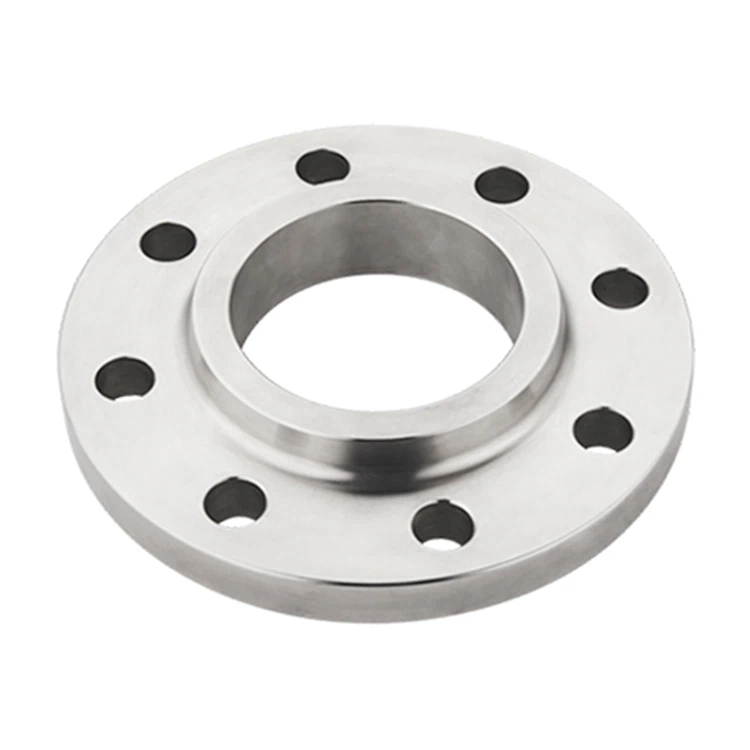

We also offer technical support to our customers. If you have any questions about the hardness requirements of our GB Slip - on Flanges or need advice on the selection of the right flange for your application, our team of experts is always ready to assist you.
Conclusion
In conclusion, the hardness requirements for GB Slip - on Flange materials are crucial for ensuring their performance, durability, and safety in industrial applications. By understanding the factors that affect hardness, the relevant standards, and the importance of testing and quality control, you can make informed decisions when selecting and using these flanges.
If you are in the market for high - quality GB Slip - on Flanges, we invite you to contact us for more information. We are confident that our products and services will meet your needs and expectations. Whether you have a small - scale project or a large - scale industrial application, we can provide you with the right flanges at a competitive price. Let's start a conversation and explore how we can work together to meet your flange requirements.
References
- Relevant Chinese national standards for GB Slip - on Flanges
- Technical literature on materials science and engineering related to flange manufacturing
- Industry reports on the performance and quality control of flanges


