

Hey there! As a ball valve supplier, I often get asked about the dynamic response of ball valves. So, I thought I'd take some time to break it down for you in this blog post.
Let's start with the basics. A ball valve is a type of quarter - turn valve that uses a hollow, perforated, and pivoting ball to control the flow of fluid through it. When the valve is open, the hole in the ball is in line with the flow path, allowing fluid to pass through. When it's closed, the ball is rotated 90 degrees so that the hole is perpendicular to the flow path, blocking the fluid.
The dynamic response of a ball valve refers to how the valve behaves when there are changes in the operating conditions, like changes in flow rate, pressure, or temperature. It's all about how quickly and effectively the valve can adjust to these changes to maintain the desired flow control.

One of the key factors that affect the dynamic response of a ball valve is its design. For example, the size and shape of the ball, the type of seal, and the valve body construction can all play a role. A well - designed ball valve will have a smooth and efficient flow path, which helps it respond quickly to changes in the system.
Let's talk about some of the specific aspects of dynamic response. First up is the opening and closing time. In a lot of industrial applications, you need the valve to open or close rapidly. For instance, in emergency shutdown systems, a fast - acting ball valve can prevent a lot of damage by quickly stopping the flow of dangerous fluids. The opening and closing time is influenced by the actuator that's used to operate the valve. Electric, pneumatic, and hydraulic actuators all have different response times. Pneumatic actuators are often preferred for their relatively fast response and simplicity.
Another important aspect is the flow coefficient (Cv). The Cv value tells you how much fluid can pass through the valve at a given pressure drop. A higher Cv means the valve can handle a larger flow rate. When there's a sudden increase in the demand for fluid flow in a system, a ball valve with a high Cv can respond better by allowing more fluid to pass through without causing a significant drop in pressure.
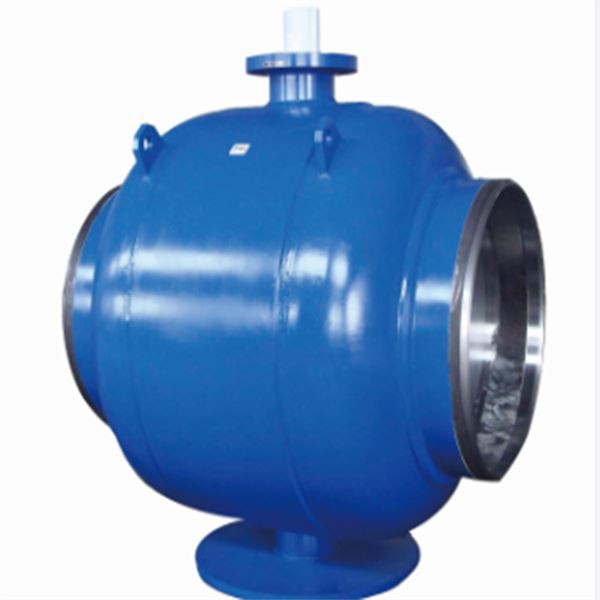
Now, let's look at how the dynamic response is affected by the type of ball valve. We have different types in our product range, like the [Pipeline Ball Valve](/valve/ball - valve/pipeline - ball - valve.html). This type of valve is designed for use in pipelines and is known for its reliable performance and good dynamic response. It can handle high - flow applications and is often used in oil and gas, water treatment, and other industries where large - scale fluid transportation is involved.
The [Eccentric Half Ball Valve](/valve/ball - valve/eccentric - half - ball - valve.html) is another interesting option. Its unique design with an eccentric ball provides better sealing performance and can be more suitable for applications where there's a need to handle abrasive or viscous fluids. The eccentric design also affects the dynamic response, as it can provide a more gradual change in flow as the valve opens or closes, which can be beneficial in some systems.
Then there's the [Two - way Metal Hard Sealed Ball Valve](/valve/ball - valve/two - way - metal - hard - sealed - ball - valve.html). This valve is made with a metal - to - metal seal, which gives it excellent durability and resistance to high temperatures and pressures. In high - pressure and high - temperature applications, the dynamic response of this valve is crucial. It needs to be able to open and close smoothly without any leakage, even under extreme conditions.
Pressure fluctuations are also a big deal when it comes to the dynamic response of ball valves. In a system, pressure can change suddenly due to things like pump starts and stops, or changes in the downstream demand. A good ball valve should be able to handle these pressure changes without getting damaged or losing its sealing ability. For example, when the pressure increases rapidly, the valve's internal components need to be strong enough to withstand the force without deforming.
Temperature variations can also have an impact. If the temperature in the system goes up or down significantly, the materials of the ball valve can expand or contract. This can affect the fit between the ball and the seat, potentially leading to leakage. A ball valve with a good dynamic response will be able to adapt to these temperature changes and still maintain a proper seal.
In addition to the design and construction of the valve itself, the installation and maintenance of the ball valve also play a role in its dynamic response. If the valve is not installed correctly, it may not operate smoothly, and its response time may be affected. Regular maintenance, such as lubricating the moving parts and checking the seals, can ensure that the valve continues to perform well over time.
To sum it up, the dynamic response of a ball valve is a complex but important characteristic. It determines how well the valve can handle changes in the operating conditions of a fluid system. Whether you're dealing with high - pressure, high - temperature applications or just need a reliable valve for a simple pipeline, choosing a ball valve with a good dynamic response is crucial.
If you're in the market for a ball valve and want to discuss your specific requirements, I'd love to have a chat with you. We can talk about which type of ball valve would be the best fit for your application, taking into account the dynamic response and other important factors. So, don't hesitate to reach out and start a conversation about your ball valve needs.

References
- Valve Handbook, 4th Edition by Dietrich Stoecker
- Fluid Mechanics and Thermodynamics of Turbomachinery by S. L. Dixon


