

Hey there! As a bearings supplier, I've seen firsthand how crucial it is to understand the wear mechanisms of bearings. In this blog post, I'm gonna break down the different types of wear that bearings can experience and how you can prevent them. So, let's dive in!
Abrasive Wear
Abrasive wear is one of the most common types of wear in bearings. It occurs when hard particles, like dirt, sand, or metal debris, get into the bearing and scratch the surfaces. This can cause the bearing to lose its smoothness and increase friction, which leads to more wear and tear over time.
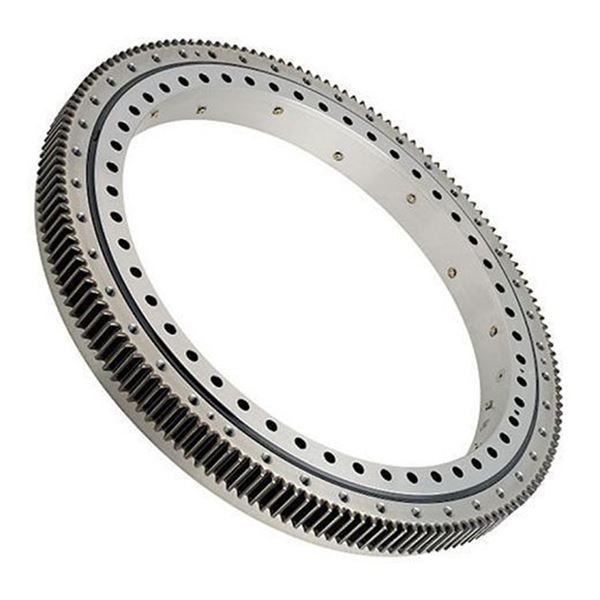
One way to prevent abrasive wear is to keep the bearing environment clean. Using proper seals and filters can help keep contaminants out. For example, in heavy - duty applications like excavators, the Excavator Slewing Bearings are often exposed to a lot of dirt and dust. High - quality seals on these bearings can significantly reduce the risk of abrasive wear.
Another factor is the hardness of the bearing material. Harder bearing materials are more resistant to abrasive wear. So, when choosing bearings, consider the application and the potential for abrasive particles. If you're in an environment with a lot of dust, you might want to opt for bearings made from a harder alloy.
Adhesive Wear
Adhesive wear happens when two surfaces in contact stick together and then tear apart. In bearings, this can occur when the lubrication film breaks down. When the lubricant can't separate the bearing surfaces effectively, the metal - to - metal contact can cause small pieces of metal to transfer from one surface to another.
Lubrication is the key to preventing adhesive wear. Using the right type of lubricant for the specific bearing and application is essential. For instance, in high - speed applications, a lubricant with good anti - wear properties and high viscosity index is needed. In tower cranes, the Tower Crane Slewing Bearings operate under heavy loads and varying speeds. The right lubricant can ensure that there's always a protective film between the bearing surfaces, reducing the risk of adhesive wear.
Also, proper surface finish can help. A smoother surface finish on the bearing components can reduce the likelihood of adhesion. Bearings are often machined to very precise surface finishes to minimize this type of wear.
Fatigue Wear
Fatigue wear is a long - term issue that occurs due to repeated loading and unloading of the bearing. Over time, the cyclic stress causes cracks to form on the bearing surfaces. These cracks can grow and eventually lead to the flaking or spalling of the material.
The load capacity of the bearing is a major factor in fatigue wear. If a bearing is overloaded, the fatigue life will be significantly reduced. It's important to select a bearing with the right load - carrying capacity for the application. For example, in industrial machinery where there are heavy and continuous loads, you need to make sure the bearings can handle the stress without experiencing premature fatigue.
The quality of the bearing material also plays a role. High - quality bearing steels with good heat treatment can have better fatigue resistance. Regular inspection and maintenance can help detect early signs of fatigue wear, such as small cracks or changes in the surface texture.
Corrosive Wear
Corrosive wear occurs when the bearing is exposed to a corrosive environment, like in marine applications or in chemical plants. The chemical reaction between the bearing material and the corrosive medium can cause the surface to deteriorate.
Choosing the right material is crucial for preventing corrosive wear. Stainless steel bearings are a popular choice in corrosive environments because they have better corrosion resistance. Additionally, coatings can be applied to the bearing surfaces to provide an extra layer of protection. For example, some bearings are coated with a thin layer of chrome or other corrosion - resistant materials.
Proper sealing can also help keep the corrosive agents out. Seals can prevent moisture, chemicals, and other corrosive substances from reaching the bearing surfaces. In marine applications, where the bearings are constantly exposed to saltwater, high - quality seals are a must.
Fretting Wear
Fretting wear is a special type of wear that occurs at the interface between two surfaces that are in contact and experience small - amplitude relative motion. This can happen in bearings that are subject to vibration or slight movement.
To prevent fretting wear, increasing the normal force between the surfaces can be effective. This helps to reduce the relative motion. Using anti - fretting lubricants can also be beneficial. These lubricants are designed to reduce the friction and wear at the small - amplitude contact points.
In some cases, changing the design of the bearing or the mounting arrangement can minimize fretting wear. For example, using a more rigid mounting can reduce the vibration and relative movement that causes fretting.
How to Minimize Wear in Bearings
Now that we've covered the different types of wear, let's talk about some general tips to minimize wear in bearings.
First, always follow the manufacturer's recommendations for installation, lubrication, and maintenance. The manufacturer knows the bearing best and can provide the most accurate guidelines.
Regular inspection is essential. Check the bearings for signs of wear, such as abnormal noise, vibration, or changes in temperature. Early detection can help you take corrective action before the problem gets worse.
Proper lubrication is a no - brainer. Make sure you're using the right lubricant in the right amount at the right intervals. Over - lubrication or under - lubrication can both cause problems.
Keep the operating environment clean. As I mentioned earlier, contaminants can cause a lot of wear. Use proper enclosures and filters to keep the bearing area free from dirt and debris.
Why Choose Our Bearings
As a bearings supplier, we take pride in offering high - quality bearings that are designed to resist wear. Our team of experts can help you select the right bearing for your specific application, taking into account all the factors that can affect wear.
We source our bearings from top - notch manufacturers who use the latest technology and high - quality materials. Whether you need Excavator Slewing Bearings for heavy - duty construction equipment or Tower Crane Slewing Bearings for high - rise building projects, we've got you covered.
If you're facing issues with bearing wear in your equipment or if you're in the market for new bearings, don't hesitate to get in touch. We're here to help you find the best solutions and ensure the long - term performance of your machinery.

Conclusion
Understanding the wear mechanisms of bearings is crucial for ensuring their long - term performance and reliability. By knowing the different types of wear, you can take proactive steps to prevent them. Whether it's through proper lubrication, choosing the right material, or keeping the environment clean, there are many ways to minimize wear in bearings.
As a bearings supplier, we're committed to providing you with the best products and advice. If you have any questions or need help with bearing selection, feel free to reach out. We're always happy to assist you in making the right choice for your applications.
References
- "Bearing Technology Handbook" by SKF
- "Mechanical Design and Manufacturing" textbooks
- Industry reports on bearing wear and performance


