

Slip on flanges are widely used in various piping systems due to their ease of installation and cost - effectiveness. As a slip on flange supplier, I understand the importance of proper storage to maintain the quality and performance of these products. In this blog, I will discuss the storage requirements for slip on flanges.
General Storage Conditions
The first and most crucial aspect of storing slip on flanges is the environment. Slip on flanges should be stored in a dry and well - ventilated area. Moisture is one of the biggest enemies of metal products like flanges. When flanges are exposed to a humid environment, they are prone to rust and corrosion. Rust not only affects the appearance of the flanges but also weakens their structural integrity.
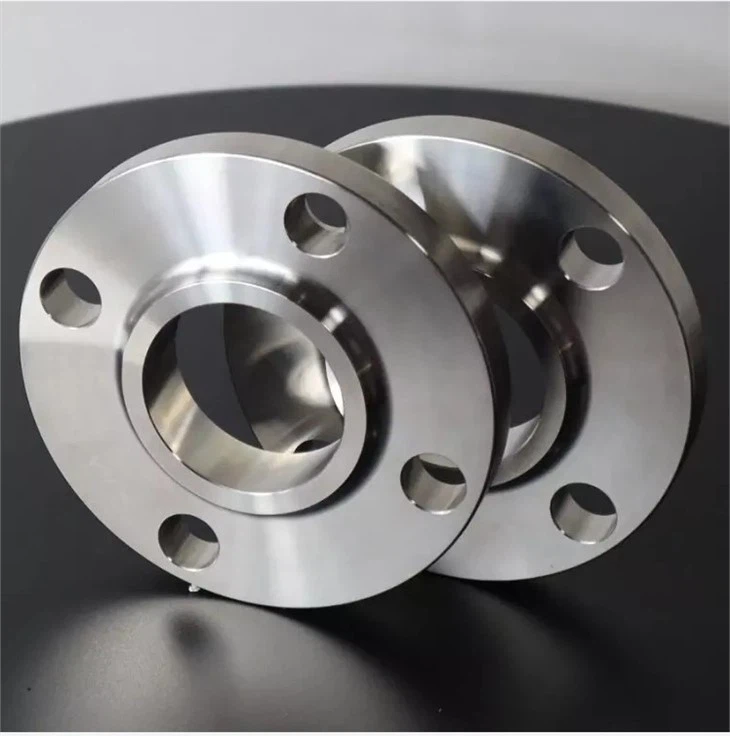

For instance, if a flange is used in a high - pressure piping system and has been damaged by rust, it may lead to leaks or even system failures. To prevent moisture from accumulating, the storage area should have a relative humidity level below 60%. Dehumidifiers can be used in areas where the natural humidity is high.
Ventilation is also essential as it helps to remove any potentially corrosive gases or fumes that may be present in the storage area. These gases can react with the metal of the flanges and cause damage over time. A well - ventilated storage space ensures that the air around the flanges is constantly refreshed, reducing the risk of corrosion.
Storage on Shelves or Racks
When it comes to the actual storage of slip on flanges, using shelves or racks is highly recommended. Storing flanges on the ground can expose them to dirt, moisture, and physical damage. Shelves and racks keep the flanges off the ground and organized.
Flanges should be placed in an orderly manner on the shelves or racks. They can be arranged according to their size, type, or material. For example, all the GB Slip - on Flange can be grouped together, making it easier to locate and access them when needed. This also helps in inventory management, as it is easier to count and track the number of flanges in stock.
It is important to ensure that the shelves or racks are strong enough to support the weight of the flanges. Overloading the shelves can cause them to collapse, leading to damage to the flanges and potential safety hazards. Regular inspections of the shelves and racks should be carried out to check for any signs of wear or damage.
Protection from Physical Damage
Slip on flanges are relatively delicate and can be easily damaged by physical impacts. During storage, they should be protected from any objects that could scratch, dent, or deform them.
One way to protect the flanges is to use protective covers. These covers can be made of materials such as plastic or rubber and can be placed over the flanges to prevent scratches. Additionally, when handling the flanges, proper lifting equipment should be used. Forklifts or cranes with appropriate lifting attachments should be used to move the flanges to and from the storage area.
Care should also be taken when stacking the flanges. If flanges are stacked too high or without proper support, they can topple over and cause damage. Each layer of flanges should be separated by a soft material such as cardboard or foam to prevent scratching and damage between the flanges.
Storage Based on Material
Different materials of slip on flanges have different storage requirements. For example, carbon steel flanges are more prone to rust compared to stainless steel flanges. Carbon steel flanges should be coated with a protective layer of oil or paint before storage to prevent rusting. This protective coating acts as a barrier between the metal and the environment, reducing the risk of corrosion.
Stainless steel flanges, although more resistant to corrosion, still need to be stored properly. They should be kept away from sources of contamination such as other metals that may cause galvanic corrosion. Galvanic corrosion occurs when two different metals are in contact in the presence of an electrolyte (such as moisture), and it can cause rapid deterioration of the flanges.
Storage of Different Standards
There are various international standards for slip on flanges, such as GB Slip - on Flange, JIS Slip On Flange, and ANSI Slip On Flange. Each standard may have specific requirements for storage.
GB slip on flanges, which follow Chinese standards, may have different surface finishes and tolerances compared to other standards. When storing GB flanges, it is important to ensure that the storage conditions do not damage these specific features. For example, if the flanges have a special coating for a particular application, the storage environment should not cause the coating to peel or degrade.
JIS slip on flanges, which are based on Japanese standards, may have different dimensions and material specifications. They should be stored separately from other standards to avoid confusion during the picking and shipping process. This also helps in ensuring that the correct flanges are supplied to the customers according to their requirements.
ANSI slip on flanges, following American standards, are widely used in many industries around the world. They should be stored in a way that maintains their dimensional accuracy. Any deformation during storage can render the flanges unusable for their intended applications.
Inventory Management
Proper inventory management is an important part of the storage process. An inventory system should be in place to track the incoming and outgoing flanges. This system can help in determining the quantity of flanges in stock, their location in the storage area, and their expiration dates (if applicable).
Regular inventory audits should be carried out to ensure the accuracy of the inventory records. This helps in identifying any missing or damaged flanges and taking appropriate actions. For example, if a flange is found to be damaged during an inventory audit, it can be removed from the stock and replaced with a new one.
Conclusion
In conclusion, proper storage of slip on flanges is essential to maintain their quality and performance. The storage environment should be dry and well - ventilated, and the flanges should be stored on shelves or racks to protect them from physical damage. Different materials and standards of flanges have specific storage requirements that need to be followed.
As a slip on flange supplier, I am committed to providing high - quality products to my customers. By ensuring that the flanges are stored correctly, I can guarantee that they will reach the customers in perfect condition. If you are in need of slip on flanges for your piping systems, I invite you to contact me for a detailed discussion on your requirements and to start the procurement process.
References
- "Piping Handbook" by Cameron, A. P. S.
- "Flange Design and Engineering" by Leishear, R. A.


