

Forging, a manufacturing process that involves shaping metal using localized compressive forces, has a wide range of applications across various industries. In the bakery industry, forging plays a crucial role in the production of high - quality equipment that is essential for efficient and reliable baking operations. As a forgings supplier, I have witnessed firsthand how different types of forgings contribute to the functionality and durability of bakery machinery.
1. Mixing and Kneading Equipment
One of the fundamental processes in baking is mixing and kneading the dough. Forged components are extensively used in the manufacturing of mixers and kneaders.
Shaft Forgings
Shafts are a critical part of mixer and kneader mechanisms. Shaft Forgings offer high strength and precision. In a large - scale bakery, the mixer shaft needs to withstand significant torque and rotational forces. Forged shafts are made from high - quality steel alloys, which are carefully selected for their mechanical properties. These alloys can be heat - treated to enhance their hardness, toughness, and resistance to wear. The forging process ensures that the internal grain structure of the shaft is properly aligned, reducing the risk of fatigue failure. This results in a more reliable and long - lasting shaft, which is essential for continuous operation in a busy bakery environment.
Gear Forgings
Gears are another important component in mixing and kneading equipment. They are responsible for transmitting power from the motor to the mixing or kneading arms. Forged gears have a more uniform and dense structure compared to cast gears. This makes them stronger and more resistant to wear and tear. In a bakery mixer, the gears need to operate smoothly and quietly. Forged gears can be precisely machined to ensure accurate tooth profiles, which reduces noise and vibration during operation. Additionally, the high strength of forged gears allows them to handle the high loads associated with mixing thick doughs, such as those used for bread and pizza.
2. Oven Equipment
Ovens are the heart of any bakery. Forged components are used in several aspects of oven construction and operation.
Heating Elements and Supports
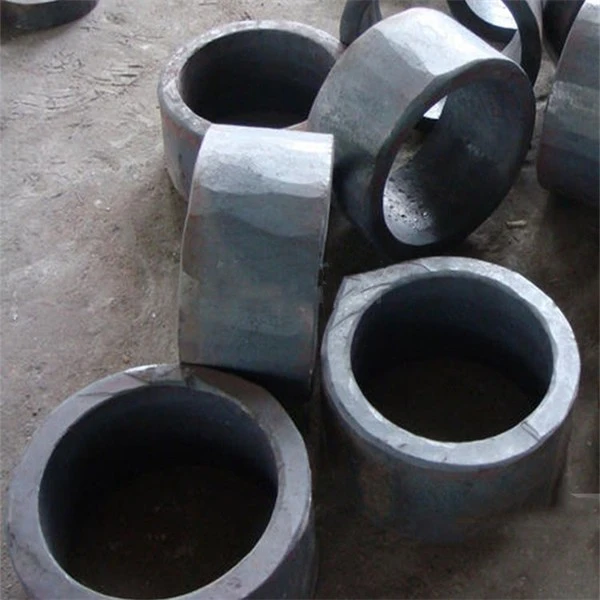
In some bakery ovens, forged metal supports are used to hold the heating elements in place. These supports need to withstand high temperatures and thermal cycling. Forgings made from heat - resistant alloys, such as stainless steel or nickel - based alloys, are ideal for this application. The forging process enhances the material's resistance to oxidation and thermal fatigue. For example, ring forgings can be used as mounting brackets for heating elements. They provide a stable and secure support, ensuring that the heating elements are properly positioned for efficient heat transfer.
Conveyor Systems
Many modern bakeries use conveyor ovens for continuous baking. Forged components are used in the construction of the conveyor systems. Shafts and sprockets in the conveyor system are often forged. The shafts need to be strong enough to support the weight of the baking trays and the products being baked. Forged shafts can handle these loads without bending or warping. Sprockets, which are used to drive the conveyor belts, need to have precise teeth profiles for smooth and accurate movement. Forged sprockets offer superior strength and durability, ensuring that the conveyor system operates reliably over long periods.
3. Cutting and Slicing Equipment
In a bakery, cutting and slicing bread, cakes, and pastries are important operations. Forged components are used to improve the performance and longevity of cutting and slicing equipment.
Knife Blades and Holders
Forged knife blades are sharper and more durable than blades made by other methods. The forging process can align the grain structure of the blade material, resulting in a stronger and more wear - resistant edge. For example, in a commercial bread slicer, forged knife blades can maintain their sharpness for longer periods, reducing the frequency of blade replacement. Additionally, forged knife holders provide a secure and stable mounting for the blades. They are designed to withstand the forces exerted during cutting, ensuring that the blades remain in the correct position for accurate slicing.
Hydraulic Components
Some cutting and slicing equipment in bakeries use hydraulic systems for power. Forged hydraulic cylinders and pistons are commonly used in these systems. Forged cylinders have a more uniform wall thickness and a stronger structure, which is essential for handling high - pressure hydraulic fluids. Pistons made from forged materials offer better resistance to wear and corrosion. This ensures smooth and reliable operation of the hydraulic system, which is crucial for precise cutting and slicing operations.
4. Packaging Equipment
After the baked goods are produced, they need to be packaged. Forged components are also used in packaging equipment.
Conveyor Rollers
Conveyor rollers are used to move the baked goods through the packaging process. Forged rollers are stronger and more resistant to deformation compared to rollers made by other methods. They can handle the weight of the products being conveyed without sagging or warping. The forging process can also improve the surface finish of the rollers, reducing friction and ensuring smooth movement of the products.
Sealing and Folding Mechanisms
In packaging machines, sealing and folding mechanisms are used to package the baked goods. Forged components such as levers and brackets are used in these mechanisms. These components need to be strong and precise to ensure proper sealing and folding of the packaging materials. Forged parts can be machined to tight tolerances, ensuring accurate operation of the sealing and folding mechanisms.

5. Benefits of Using Forged Components in the Bakery Industry
There are several benefits to using forged components in the bakery industry.
Durability
Forged components are generally more durable than components made by other manufacturing processes. They can withstand the harsh operating conditions in a bakery, such as high temperatures, high loads, and continuous use. This reduces the frequency of equipment breakdowns and maintenance, resulting in lower operating costs for the bakery.
Precision
The forging process allows for high - precision manufacturing. Components can be forged to very tight tolerances, ensuring that they fit perfectly into the bakery equipment. This precision is essential for the proper functioning of the equipment, such as in gear systems and conveyor mechanisms.
Safety
Forged components are often stronger and more reliable, which enhances the safety of the bakery equipment. For example, in cutting and slicing equipment, strong and durable forged components reduce the risk of blade failure or other mechanical malfunctions that could cause accidents.
Contact for Procurement
If you are in the bakery industry and are looking for high - quality forgings for your equipment, I invite you to reach out to discuss your specific requirements. As a forgings supplier, I have the expertise and capabilities to provide customized forging solutions that meet the unique needs of your bakery. Whether you need Ring Forgings, Shaft Forgings, or Tube Category Forgings, I am ready to assist you in finding the best forging products for your applications.
References
- ASM Handbook, Volume 14A: Metalworking: Forging. ASM International.
- Manufacturing Engineering and Technology, by S. Kalpakjian and S. R. Schmid. Pearson Education.
- Industrial Forging Technology, by G. E. Totten and D. S. MacKenzie. CRC Press.


