

Hey there! I'm a supplier in the forgings industry, and today I want to have a chat about the environmental impacts of forging processes. As someone who's been knee - deep in this business, I've seen firsthand how these processes can affect our planet. So, let's dive right in!
Energy Consumption
Forging is an energy - hungry process. To heat the metal to the required temperature for shaping, we need a substantial amount of energy. Most of the time, we rely on fossil fuels like coal, natural gas, or oil to power our furnaces. These fuels release a significant amount of greenhouse gases (GHGs) into the atmosphere when burned.

Coal, for instance, is a major culprit. When coal is combusted in forging furnaces, it releases large amounts of carbon dioxide (CO₂), which is a primary contributor to global warming. The energy required to heat the metal can account for a large portion of a forging facility's operating costs and environmental footprint.
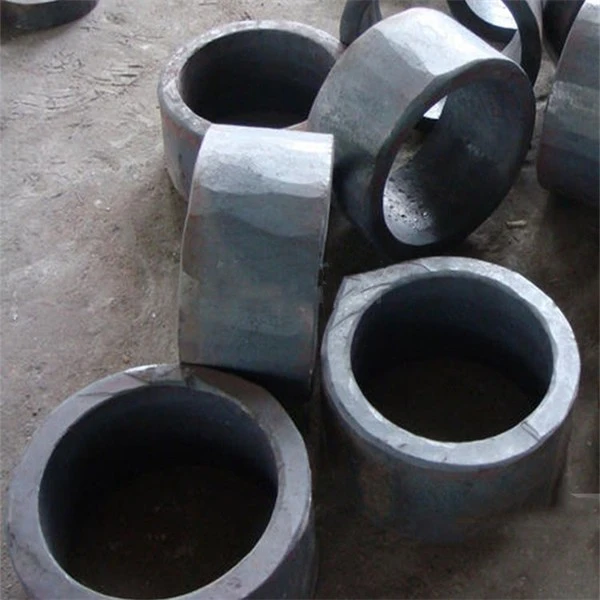
To put it in perspective, if you're forging large Ring Forgings, you'll need a huge furnace that can maintain high temperatures for an extended period. This means burning more fuel and releasing more emissions. And with the increasing demand for forgings in various industries, the energy consumption and associated emissions are only going to rise if we don't find better solutions.
Air Pollution
Apart from CO₂ emissions, forging processes also generate other air pollutants. During the heating and forging of metals, volatile organic compounds (VOCs) can be released. These VOCs can react with sunlight and other pollutants in the atmosphere to form ground - level ozone, which is a major component of smog.
Smog can have serious health impacts on humans, causing respiratory problems, eye irritation, and even long - term damage to the lungs. In addition to VOCs, forging operations can also release particulate matter (PM). When the metal is heated and shaped, tiny particles of metal and other substances can become airborne. These PMs can be inhaled and cause health issues, especially for workers in the forging facilities and people living in the surrounding areas.
For example, in the production of Pressure Vessel Forgings, the intense heat and the shaping process can generate a significant amount of PM. If proper air pollution control measures aren't in place, these particles can spread into the air and pose a threat to the environment and human health.
Water Pollution
Water is used in forging processes for cooling and cleaning purposes. However, this water can become contaminated with various substances. When the hot forged metal is cooled, the water absorbs heat and can also pick up metal particles, oil, and other contaminants.
If this contaminated water is discharged into water bodies without proper treatment, it can have a detrimental impact on aquatic life. The metal particles can be toxic to fish and other aquatic organisms, and the oil can form a layer on the water surface, preventing oxygen from dissolving in the water. This can lead to the death of fish and other aquatic plants.
In the case of Disc Forging, the cooling process can generate a large volume of wastewater. If we don't treat this water properly, it can end up in rivers, lakes, or the ocean, causing harm to the ecosystem.
Waste Generation
Forging processes also generate a significant amount of waste. There are two main types of waste: metal waste and non - metal waste. Metal waste includes scraps and trimmings from the forging process. These scraps are often recycled, but there are still some losses in the recycling process.
Non - metal waste includes things like slag, which is a by - product of the melting process. Slag contains various impurities and can be difficult to dispose of safely. If not managed properly, slag can leach heavy metals into the soil and groundwater, causing soil and water pollution.
Noise Pollution
Forging is a noisy business. The hammering and pressing operations generate a lot of noise. This noise can be a nuisance to workers in the forging facility and can also affect the surrounding community. Prolonged exposure to high - level noise can cause hearing loss and other health problems for workers.
To mitigate the noise, forging facilities need to invest in noise - reducing equipment and provide workers with proper hearing protection. However, these measures add to the overall cost of the forging process.
What Can We Do?
As a forgings supplier, I'm well aware of these environmental impacts, and I'm constantly looking for ways to reduce our footprint. One of the things we can do is invest in more energy - efficient furnaces. There are new technologies available that use less fuel to achieve the same high temperatures. For example, some electric furnaces are more energy - efficient and produce fewer emissions compared to traditional fossil - fuel - based furnaces.
We can also improve our air pollution control systems. Installing better filters and scrubbers can help capture VOCs, PM, and other pollutants before they are released into the atmosphere. In terms of water pollution, we can implement advanced water treatment systems to clean the wastewater before discharging it.
For waste management, we can work on improving our recycling processes to reduce the amount of metal waste sent to landfills. And for noise pollution, we can upgrade our equipment to quieter models and ensure that workers have access to proper hearing protection.
Conclusion
The environmental impacts of forging processes are significant, but they're not insurmountable. As a forgings supplier, I believe it's our responsibility to take steps to minimize these impacts. We need to balance the demand for high - quality forgings with our obligation to protect the environment.
If you're in the market for forgings, whether it's Ring Forgings, Pressure Vessel Forgings, or Disc Forging, I'd love to have a chat with you. We're committed to providing top - notch products while also being environmentally conscious. So, feel free to reach out for a discussion about your forging needs.
References
- "Environmental Impact of Metal Forging Processes", Journal of Sustainable Manufacturing
- "Forging Industry and Its Environmental Challenges", International Journal of Environmental Science and Technology
- "Reducing Energy Consumption in Forging Operations", Energy Efficiency Research Journal


