

As a bearings supplier, I've witnessed firsthand the importance of proper bearing replacement. Bearings are crucial components in a wide range of machinery, from small household appliances to large industrial equipment. A worn - out or damaged bearing can lead to decreased performance, increased energy consumption, and even complete machine failure. In this blog, I'll guide you through the process of replacing bearings, sharing my expertise and experiences in the field.
1. Preparation
Before you start replacing a bearing, it's essential to gather all the necessary tools and information.
Tools
- Measuring Tools: You'll need a caliper or micrometer to accurately measure the inner and outer diameters of the bearing, as well as the width. This ensures you purchase the correct replacement bearing.
- Pullers: Bearing pullers are used to remove the old bearing from the shaft or housing. There are different types of pullers, such as two - jaw and three - jaw pullers, and you should choose the one that suits your specific bearing size and type.
- Hammers and Drifts: A soft - faced hammer and drift pins can be used to gently tap the bearing into place during installation.
- Cleaning Supplies: Solvent, rags, and a wire brush are needed to clean the shaft and housing before installing the new bearing.
Information
- Bearing Specification: Know the exact type, size, and model of the bearing you need to replace. You can usually find this information on the old bearing itself or in the machine's manual.
- Machine Operation: Understand how the machine works and the role of the bearing in its operation. This will help you anticipate any potential issues during the replacement process.
2. Removing the Old Bearing
Once you've prepared everything, it's time to remove the old bearing.
Shaft - Mounted Bearings
- Disconnect the Machine: First, ensure the machine is turned off and disconnected from the power source to prevent any accidents.
- Remove the Retaining Components: This may include snap rings, lock nuts, or set screws. Use the appropriate tools to remove these components carefully.
- Use a Puller: Attach the bearing puller to the old bearing. Make sure the puller's jaws are firmly seated on the bearing. Then, slowly turn the puller's screw to apply pressure and pull the bearing off the shaft.
Housing - Mounted Bearings
- Access the Bearing: Remove any covers, seals, or other components that are blocking access to the bearing.
- Tap the Bearing: If the bearing is not too tightly fitted, you can use a soft - faced hammer and a drift pin to gently tap the bearing out of the housing. Start from one side and work your way around the bearing until it comes loose.
- Use a Press: For a more tightly - fitted bearing, a hydraulic press may be required. Place the housing and bearing in the press and apply pressure until the bearing is removed.
3. Cleaning the Shaft and Housing
After removing the old bearing, it's crucial to clean the shaft and housing thoroughly.

- Remove Debris: Use a wire brush to remove any dirt, rust, or debris from the shaft and housing.
- Clean with Solvent: Apply a suitable solvent to the shaft and housing to dissolve any remaining grease or oil. Then, wipe them dry with a clean rag.
- Inspect for Damage: While cleaning, check the shaft and housing for any signs of damage, such as scratches, dents, or wear. If there is significant damage, it may need to be repaired or replaced before installing the new bearing.
4. Selecting the Right Replacement Bearing
As a bearings supplier, I can't stress enough the importance of choosing the right replacement bearing.
- Match the Specification: The replacement bearing should have the same inner and outer diameters, width, and load - carrying capacity as the old bearing. You can refer to the measurements you took earlier and the machine's manual.
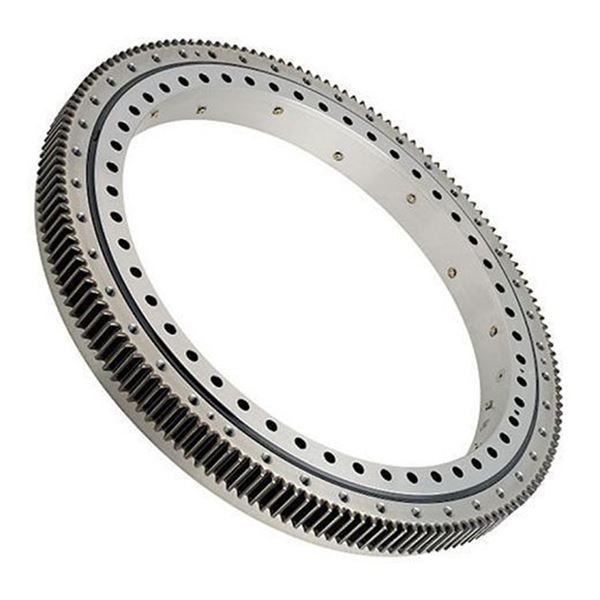
- Consider the Application: Different applications require different types of bearings. For example, Excavator Slewing Bearings are designed for heavy - duty construction equipment, while bearings for high - speed motors need to have low friction and high precision. Similarly, Tower Crane Slewing Bearings are built to withstand large radial and axial loads in tower crane operations.
- Quality Matters: Always choose high - quality bearings from a reputable supplier. A good - quality bearing will have a longer service life and better performance, reducing the need for frequent replacements.
5. Installing the New Bearing
Once you have the right replacement bearing, it's time to install it.
Shaft - Mounted Bearings
- Heat the Bearing (Optional): For a tight - fitting bearing, you can heat the bearing in an oven or using a bearing heater to expand it slightly. This makes it easier to install on the shaft. Make sure to follow the manufacturer's instructions when heating the bearing.
- Align the Bearing: Place the bearing on the shaft and align it properly. Use a drift pin and a soft - faced hammer to gently tap the bearing onto the shaft until it is fully seated.
- Install the Retaining Components: Put back the snap rings, lock nuts, or set screws to secure the bearing in place.
Housing - Mounted Bearings
- Lubricate the Bearing: Apply a thin layer of lubricant to the outer surface of the bearing to ease the installation process.
- Insert the Bearing: Carefully insert the bearing into the housing. Use a press or a drift pin and hammer to ensure the bearing is properly seated in the housing.
- Install Seals and Covers: Put back any seals or covers that were removed earlier to protect the bearing from dirt and moisture.
6. Testing and Maintenance
After installing the new bearing, it's important to test the machine and perform regular maintenance.
- Test the Machine: Reconnect the machine to the power source and turn it on. Listen for any abnormal noises or vibrations. If you notice any issues, stop the machine immediately and check the bearing installation.
- Lubrication: Follow the manufacturer's recommendations for lubricating the bearing. Proper lubrication is essential for the bearing's performance and longevity.
- Regular Inspections: Periodically inspect the bearing for signs of wear, damage, or improper operation. Early detection of problems can prevent more serious issues down the line.
Conclusion
Replacing bearings is a task that requires careful preparation, the right tools, and a good understanding of the process. As a bearings supplier, I'm here to provide you with high - quality bearings and the support you need for a successful bearing replacement. Whether you're working on a small project or a large - scale industrial application, choosing the right bearing and following the proper replacement procedures will ensure the smooth operation of your machinery.
If you're in need of bearings for your replacement projects or have any questions about bearing selection and installation, don't hesitate to contact us for a purchase negotiation. We're committed to providing you with the best solutions for your bearing needs.
References
- "Bearing Installation and Maintenance Handbook" by SKF
- "Mechanical Design Handbook" by Robert C. Juvinall and Kurt M. Marshek


