

As a bearings supplier, I've often been asked how to reduce bearing noise. It's a crucial issue for many of our customers, whether they're using bearings in industrial machinery, vehicles, or other equipment. Noisy bearings can not only be annoying but also indicate potential problems that could lead to equipment failure. So, let's dive into some practical ways to reduce bearing noise.
1. Choose the Right Bearing Type
First off, selecting the appropriate bearing type for your application is super important. Different bearings are designed for different loads, speeds, and operating conditions. For example, deep groove ball bearings are great for high - speed, low - to - medium load applications. They offer relatively quiet operation because of their simple design and smooth rolling motion.
If you're dealing with heavy radial and axial loads simultaneously, tapered roller bearings might be a good choice. However, they can be noisier than ball bearings due to their complex geometry. But if you need that high - load capacity, proper installation and maintenance can significantly reduce the noise.
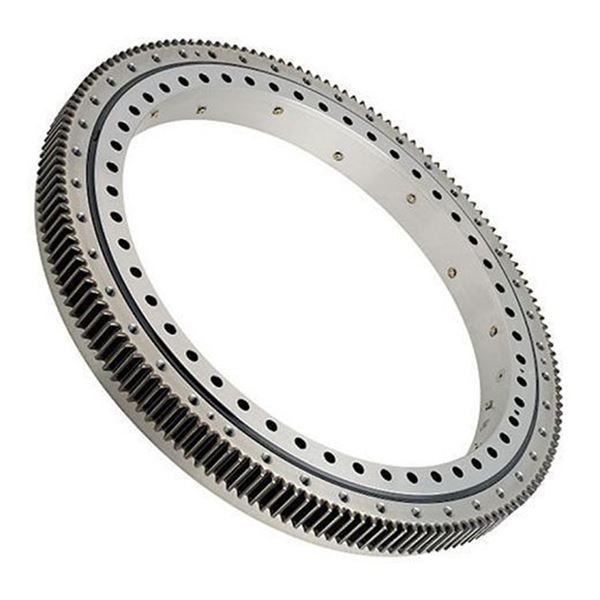
For large - scale equipment like excavators and tower cranes, you'll need specialized bearings. Check out our Excavator Slewing Bearings and Tower Crane Slewing Bearings for options that are designed to handle the unique demands of these machines. These bearings are engineered to provide reliable and quiet operation even under extreme conditions.
2. Ensure Proper Installation
Installation plays a huge role in bearing noise. If a bearing is installed incorrectly, it can cause uneven loading, increased friction, and ultimately, more noise. Here are some installation tips:
- Clean the Mounting Surfaces: Make sure the housing and shaft are clean and free from any debris, rust, or burrs. Even a tiny particle can cause the bearing to run out of true and generate noise.
- Use the Right Tools: Don't try to force the bearing into place with a hammer or other inappropriate tools. Use a bearing installation tool to apply even pressure and ensure a proper fit.
- Check the Clearance: The internal clearance of the bearing is critical. Too much clearance can cause the bearing to rattle, while too little clearance can lead to overheating and premature wear. Refer to the manufacturer's specifications for the correct clearance for your bearing.
3. Lubrication is Key
Proper lubrication is essential for reducing bearing noise. Lubrication does a few important things: it reduces friction between the rolling elements and the raceways, protects the bearing from corrosion, and helps to dissipate heat.
- Choose the Right Lubricant: Different bearings require different types of lubricants. For high - speed applications, you might need a low - viscosity oil, while for heavy - load applications, a high - viscosity grease could be more suitable.
- Follow the Lubrication Schedule: Over - greasing or under - greasing a bearing can both cause problems. Make sure you're following the manufacturer's recommended lubrication schedule. Also, when adding lubricant, do it gradually to prevent air pockets from forming.
- Monitor the Lubricant Condition: Regularly check the lubricant for signs of contamination or degradation. If the lubricant looks dirty or has changed in consistency, it's time to replace it.
4. Maintain the Operating Environment
The environment in which the bearing operates can have a big impact on its noise level. Here's what you can do:
- Control the Temperature: High temperatures can cause the lubricant to break down and the bearing materials to expand, leading to increased noise. Make sure the operating temperature of the equipment is within the recommended range for the bearing.
- Reduce Vibration: Vibration can be a major source of bearing noise. Use vibration - dampening materials or mounts to isolate the bearing from external vibrations. Also, ensure that the equipment is properly balanced to minimize internal vibrations.
- Keep it Clean: Dust, dirt, and other contaminants can enter the bearing and cause wear and noise. Use seals and shields to protect the bearing from the environment, and regularly clean the surrounding area.
5. Regular Inspection and Maintenance
Regular inspections are crucial for catching potential bearing problems early. Here are some things to look for during inspections:
- Wear and Tear: Check for signs of wear on the rolling elements and raceways. If you notice any pitting, scoring, or other damage, it's time to replace the bearing.
- Noise and Vibration Analysis: Use specialized equipment to measure the noise and vibration levels of the bearing. A sudden increase in noise or vibration could indicate a problem.
- Alignment: Make sure the shaft and housing are properly aligned. Misalignment can cause uneven loading and increased noise.
By following these steps, you can significantly reduce bearing noise and extend the lifespan of your bearings. If you're still having trouble with noisy bearings or need help choosing the right bearing for your application, don't hesitate to reach out to us. We're here to assist you with all your bearing needs and can provide you with expert advice and high - quality products. Come and talk to us for a purchase negotiation.

References
- Harris, T. A., & Kotzalas, M. N. (2007). Rolling Bearing Analysis. Wiley.
- Schaeffler Group. (2019). Bearings and Linear Technology Catalog.


