

Rust is a common and troublesome problem that can significantly affect the performance and lifespan of GB Slip-on Flanges. As a supplier of GB Slip-on Flanges, I understand the importance of preventing rust to ensure the high - quality of our products. In this blog, I will share several effective methods to prevent the rusting of GB Slip-on Flanges.
Understanding the Causes of Rust
Before we delve into the prevention methods, it's crucial to understand what causes rust. Rust is a form of corrosion that occurs when iron or steel (which are commonly used materials for GB Slip-on Flanges) reacts with oxygen and water. The chemical reaction forms iron oxide, which is the reddish - brown substance we know as rust.
In the case of GB Slip-on Flanges, environmental factors play a major role. High humidity, exposure to saltwater (especially in marine applications), and contact with chemicals can all accelerate the rusting process. Additionally, scratches or damage to the flange's surface can expose the underlying metal to oxygen and water, increasing the risk of rust.
Surface Coating
One of the most effective ways to prevent rust on GB Slip-on Flanges is through surface coating. There are several types of coatings available, each with its own advantages.
Paint Coating
Paint is a cost - effective and widely used coating method. A high - quality paint can create a physical barrier between the flange and the surrounding environment, preventing oxygen and water from reaching the metal surface. When applying paint, it's important to ensure that the flange surface is clean and free of dirt, grease, and rust. Sandblasting or chemical cleaning can be used to prepare the surface before painting.
There are different types of paint suitable for flanges, such as epoxy paint and polyurethane paint. Epoxy paint offers excellent adhesion and corrosion resistance, making it a popular choice for industrial applications. Polyurethane paint, on the other hand, provides good UV resistance and durability, which is beneficial for outdoor - exposed flanges.

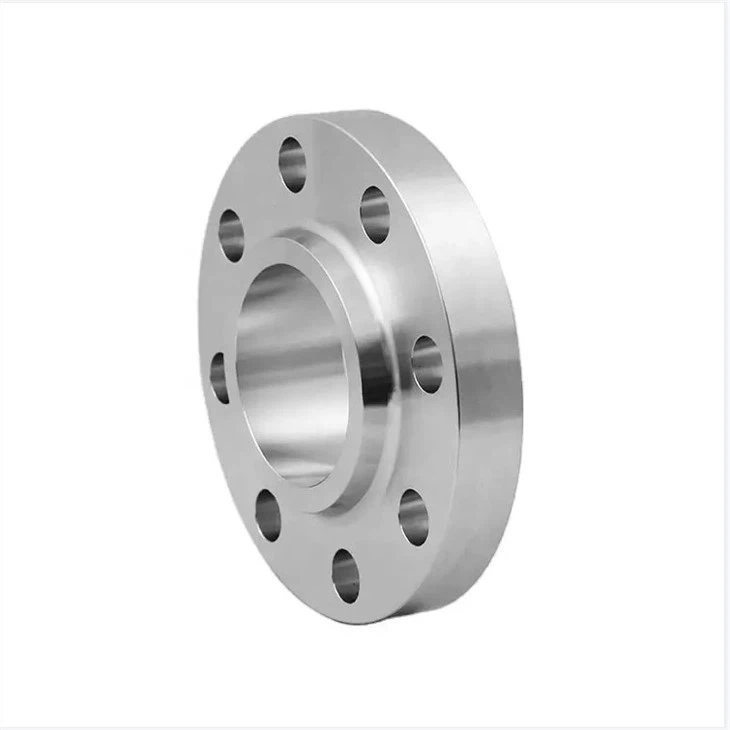
Galvanizing
Galvanizing is another popular surface treatment method. It involves coating the flange with a layer of zinc. Zinc is more reactive than iron, so when the zinc - coated flange is exposed to the environment, the zinc corrodes first, protecting the underlying iron or steel.
There are two main types of galvanizing: hot - dip galvanizing and electro - galvanizing. Hot - dip galvanizing is a process where the flange is immersed in a bath of molten zinc. This method creates a thick and durable zinc coating that can provide long - term corrosion protection. Electro - galvanizing, on the other hand, uses an electric current to deposit a thin layer of zinc onto the flange surface. While it is less expensive than hot - dip galvanizing, the coating is thinner and may not offer the same level of long - term protection.
Proper Storage
Proper storage of GB Slip-on Flanges is also essential in preventing rust. Flanges should be stored in a dry and well - ventilated area. Avoid storing them in areas with high humidity, such as basements or near water sources.
If possible, flanges should be stored on racks or pallets to keep them off the ground. This helps to prevent contact with moisture on the floor. Additionally, it's a good idea to cover the flanges with a protective material, such as plastic sheeting, to further protect them from dust and moisture.
Regular Inspection and Maintenance
Regular inspection and maintenance can help detect early signs of rust and take appropriate measures to prevent its spread. Inspect the flanges regularly for any signs of rust, scratches, or damage. If rust is detected, it should be removed immediately using a wire brush or sandpaper. After removing the rust, the affected area should be repainted or recoated to prevent further corrosion.
In addition to visual inspection, it's also important to check the tightness of the flange connections. Loose connections can allow moisture to seep in, increasing the risk of rust. Tighten the bolts as needed to ensure a proper seal.
Comparison with Other Flange Types
When it comes to preventing rust, different flange types may have different requirements. For example, JIS Slip On Flange and ANSI Slip On Flange may have different surface treatment standards and usage environments compared to GB Slip-on Flanges.
JIS Slip On Flanges are commonly used in Japanese - standard mechanical systems. They may require coatings that are compliant with Japanese industrial standards. ANSI Slip On Flanges, on the other hand, are widely used in North American industrial applications and may have different corrosion - prevention requirements based on the specific industry and environment.
As a supplier of GB Slip-on Flange, we have in - depth knowledge of the best practices for preventing rust on these flanges. Our products are manufactured with high - quality materials and undergo strict quality control to ensure their corrosion resistance.
Conclusion
Preventing rust on GB Slip-on Flanges is a multi - faceted process that involves surface coating, proper storage, regular inspection, and maintenance. By following these methods, you can significantly extend the lifespan of your flanges and ensure their reliable performance.
As a professional supplier of GB Slip-on Flanges, we are committed to providing high - quality products and technical support to our customers. If you are interested in purchasing GB Slip-on Flanges or need more information about rust prevention, please feel free to contact us for further discussion and negotiation.
References
- Corrosion Prevention Handbook for Industrial Metals, Publisher: Industrial Press Inc.
- Surface Engineering for Corrosion and Wear Protection, Author: William G. Totten, Publisher: ASM International


