

Hey there! As a supplier of GB Slip - on Flanges, I've seen my fair share of issues during the installation process, and one of the most common headaches is flange deformation. In this blog, I'll share some tips on how to prevent flange deformation when installing GB Slip - on Flanges.
Understanding GB Slip - on Flanges
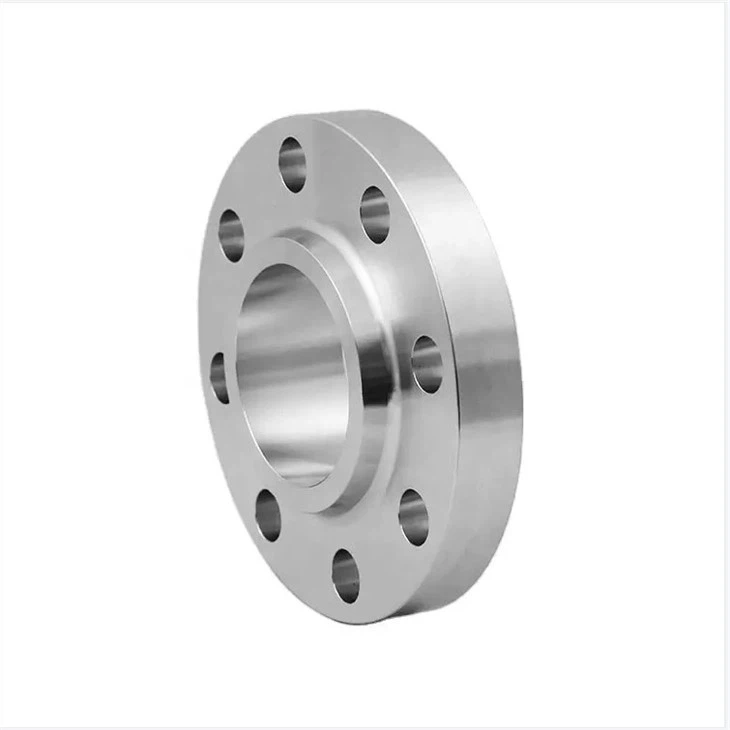
First off, let's quickly go over what GB Slip - on Flanges are. These flanges are designed according to the Chinese national standards (GB). They're slipped over the pipe and then welded in place. They're popular because they're relatively easy to install and cost - effective. But, like any other type of flange, they can deform during installation if not handled properly.
Common Causes of Flange Deformation
Before we dive into the prevention methods, it's important to understand what causes flange deformation in the first place.
Improper Welding
Welding is a critical step in installing GB Slip - on Flanges. If the welding process is not done correctly, it can cause uneven heating and cooling of the flange. This uneven thermal stress can lead to deformation. For example, if the welder uses too high a current or welds too quickly, the flange may heat up too rapidly in some areas and cool down unevenly, resulting in warping.

Over - tightening Bolts
Bolts are used to secure the flange to the mating surface. When you over - tighten the bolts, it can put excessive pressure on the flange. This pressure can cause the flange to bend or distort. It's like squeezing a plastic bottle too hard; it'll change its shape.
Pipe Misalignment
If the pipes that the flange is being installed on are not properly aligned, it can create additional stress on the flange. When the flange is forced to fit onto misaligned pipes, it can deform. This misalignment can be due to errors during pipe installation or movement of the pipes over time.
Prevention Methods
Proper Welding Techniques
- Pre - heating: Before starting the welding process, it's a good idea to pre - heat the flange. Pre - heating helps to reduce the thermal stress during welding. The pre - heating temperature should be determined based on the material of the flange. For most steel flanges, a pre - heating temperature of around 100 - 150°C can be sufficient.
- Controlled Welding Parameters: Use the correct welding current, voltage, and welding speed. Refer to the welding procedure specification (WPS) for the specific flange material. For example, for carbon steel flanges, a lower welding current and a slower welding speed may be required to ensure even heating.
- Multi - pass Welding: Instead of doing one large weld, use multi - pass welding. This allows the heat to be distributed more evenly across the flange. Each pass of the weld should be allowed to cool slightly before starting the next one.
Correct Bolt Tightening
- Torque Specification: Always follow the recommended torque values for the bolts. These values are usually provided by the flange manufacturer. Using a torque wrench is the best way to ensure that the bolts are tightened to the correct level. For example, if the torque specification for a particular flange is 50 Nm, use a torque wrench to tighten the bolts to this value.
- Sequential Tightening: Tighten the bolts in a sequential pattern. Start from the center and work your way out in a cross - pattern. This helps to distribute the pressure evenly across the flange. For example, if you have a flange with 8 bolts, start by tightening the first bolt, then the fifth (opposite the first), then the second, and so on.
Pipe Alignment
- Accurate Pipe Installation: During the pipe installation process, make sure that the pipes are accurately aligned. Use alignment tools such as laser alignment devices or straightedges to ensure that the pipes are in a straight line. Check the alignment at multiple points along the pipe to ensure its accuracy.
- Flexible Joints: If there is a possibility of pipe movement or misalignment in the future, consider using flexible joints. These joints can absorb some of the movement and reduce the stress on the flange.
Comparing with Other Flange Standards
GB Slip - on Flanges are just one type of slip - on flange. There are also DIN Slip On Flange, ANSI Slip On Flange, and JIS Slip On Flange. Each of these standards has its own characteristics.
- DIN Slip On Flange: DIN flanges are widely used in Europe. They have different dimensions and design standards compared to GB flanges. The installation process and prevention of deformation for DIN flanges also have some differences. For example, the welding requirements and bolt torque values may be different.
- ANSI Slip On Flange: ANSI flanges are commonly used in North America. They are designed to meet the American National Standards. The material selection and manufacturing process for ANSI flanges may vary from GB flanges, which can also affect the installation and deformation prevention methods.
- JIS Slip On Flange: JIS flanges are used in Japan. They have unique features in terms of their shape and material properties. When installing JIS flanges, you need to follow the specific requirements of the JIS standard.
Conclusion
Preventing flange deformation during the installation of GB Slip - on Flanges is crucial for ensuring the proper functioning of the piping system. By using proper welding techniques, correct bolt tightening, and accurate pipe alignment, you can significantly reduce the risk of flange deformation.
If you're in the market for high - quality GB Slip - on Flanges or have any questions about their installation, feel free to reach out. We're here to provide you with the best products and technical support.
References
- Welding Handbook: American Welding Society
- Flange Design and Installation Guidelines: Various flange manufacturers' manuals


