

As a supplier of GB Slip-on Flanges, I understand the importance of maintaining these essential components to ensure their long - term performance and reliability. In this blog, I'll share some professional insights on how to maintain GB Slip - on Flanges effectively.
Understanding GB Slip - on Flanges
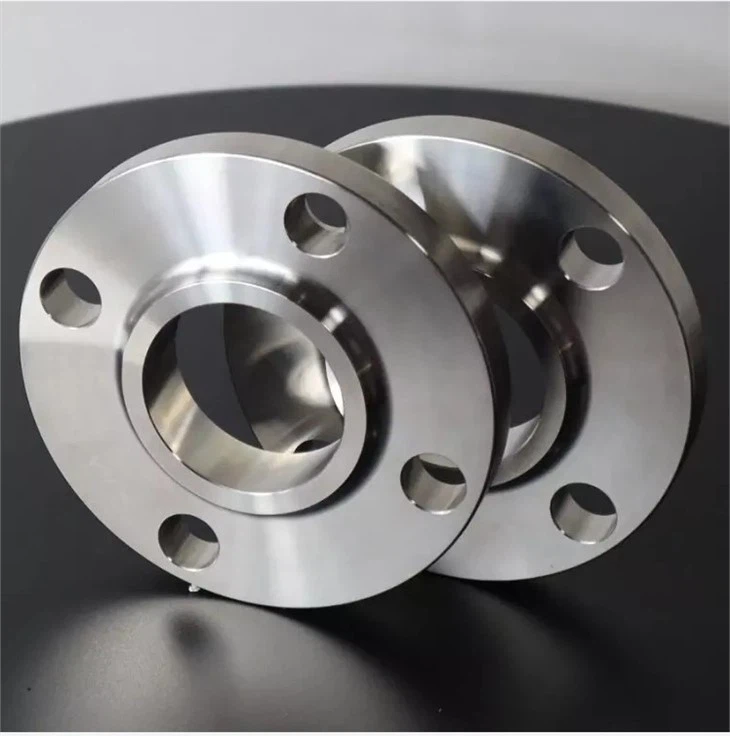
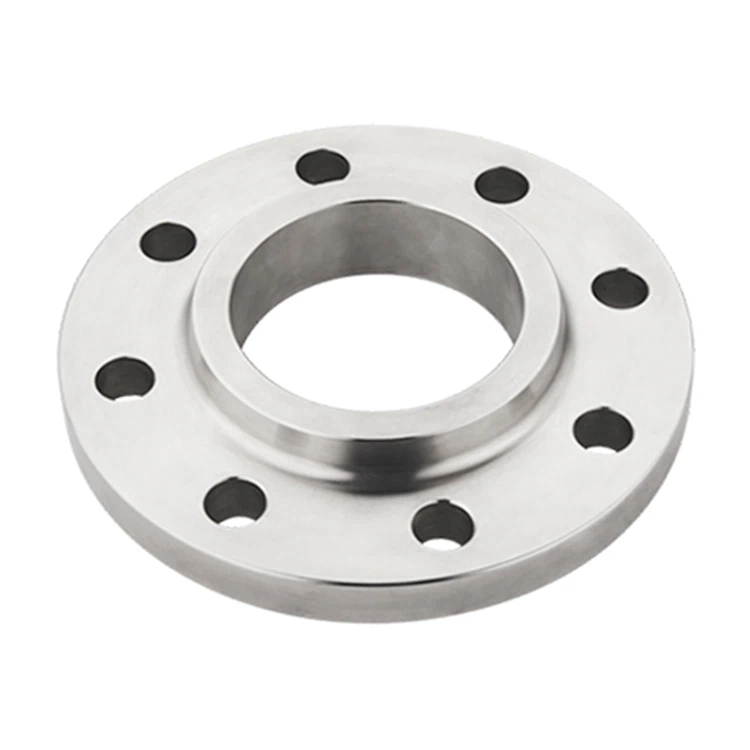
GB Slip - on Flanges are designed according to the Chinese national standards (GB). They are widely used in various piping systems due to their easy installation and relatively low cost. These flanges slide over the pipe and are then welded in place. They are commonly used in industries such as oil and gas, chemical processing, and water treatment.
Before delving into maintenance, it's crucial to know the basic structure and materials of GB Slip - on Flanges. They are typically made of carbon steel, stainless steel, or alloy steel. The choice of material depends on the specific application, such as the type of fluid being transported, the operating temperature, and the pressure of the system.
Regular Inspection
Regular inspection is the cornerstone of flange maintenance. Visual inspection should be carried out at least once a month, or more frequently in high - stress or corrosive environments.
- External Appearance: Check for any signs of physical damage, such as cracks, dents, or scratches on the flange surface. These defects can weaken the flange and lead to leaks over time. If you find any damage, assess its severity. Minor scratches can sometimes be smoothed out, but significant cracks may require the replacement of the flange.
- Weld Integrity: Since GB Slip - on Flanges are welded to the pipe, the welds are critical areas. Look for signs of weld cracking, porosity, or incomplete fusion. Any issues with the weld can compromise the connection between the flange and the pipe, resulting in leaks. Non - destructive testing methods, such as ultrasonic testing or magnetic particle testing, can be used to detect internal weld defects.
- Gasket Condition: The gasket between two flanges is responsible for creating a tight seal. Inspect the gasket for signs of wear, deformation, or chemical degradation. A damaged gasket can cause leaks, even if the flanges themselves are in good condition. If the gasket shows any signs of damage, it should be replaced immediately.
Cleaning
Proper cleaning is essential to prevent the accumulation of dirt, debris, and corrosive substances on the flange surface.
- Surface Cleaning: Use a mild detergent and a soft brush to clean the flange surface. Avoid using abrasive materials that can scratch the surface and create sites for corrosion. After cleaning, rinse the flange thoroughly with clean water and dry it with a clean cloth.
- Internal Channel Cleaning: If there are any internal channels or bores in the flange, make sure they are also clean. You can use a pipe cleaner or a small brush to remove any debris. In some cases, a high - pressure water jet can be used to clean stubborn deposits.
- Corrosion Prevention: To further protect the flange from corrosion, you can apply a corrosion - resistant coating. There are various types of coatings available, such as epoxy coatings or zinc - based coatings. Follow the manufacturer's instructions when applying the coating to ensure its effectiveness.
Tightening and Retightening
Flange bolts need to be tightened to the correct torque to maintain a proper seal. Over - tightening or under - tightening can both lead to problems.
- Initial Tightening: When installing the flange, use a torque wrench to tighten the bolts to the specified torque value. The torque value depends on the size, material, and application of the flange. Refer to the flange manufacturer's documentation for the correct torque specifications.
- Retightening Schedule: Over time, the bolts may loosen due to vibration, thermal expansion and contraction, or other factors. A retightening schedule should be established. Generally, bolts should be retightened after the first few operating cycles and then at regular intervals, such as every six months or annually.
- Bolts and Nuts Inspection: While tightening the bolts, also check the condition of the bolts and nuts. Look for signs of corrosion, thread damage, or stretching. If any bolts or nuts are damaged, they should be replaced immediately.
Environmental Considerations
The environment in which the GB Slip - on Flanges operate can have a significant impact on their performance and lifespan.
- Corrosive Environments: In corrosive environments, such as chemical plants or coastal areas, the flanges are more prone to corrosion. In addition to using corrosion - resistant materials and coatings, additional protective measures may be required. For example, a sacrificial anode can be installed to protect the flange from galvanic corrosion.
- Temperature and Pressure: Extreme temperatures and high pressures can cause the flange material to expand or contract, affecting the integrity of the seal. Make sure the flanges are rated for the operating temperature and pressure of the system. In cases where the operating conditions change, the flanges may need to be upgraded.
- Vibration and Shock: Frequent vibration and shock can loosen the bolts and cause fatigue damage to the flange. To reduce the impact of vibration, shock absorbers can be installed, and the piping system can be properly supported.
Comparison with Other Flange Types
It's also beneficial to understand how GB Slip - on Flanges compare with other popular flange types. For example, DIN Slip On Flange follows German standards, and ANSI Slip On Flange adheres to American standards. While they have similar functions, there are differences in dimensions, materials, and manufacturing processes. These differences can affect the maintenance requirements and performance in different applications.
Conclusion
Maintaining GB Slip - on Flanges is a critical task that requires regular inspection, proper cleaning, correct tightening, and consideration of the operating environment. By following these maintenance guidelines, you can extend the lifespan of the flanges, ensure the safety and reliability of the piping system, and reduce the risk of costly repairs and downtime.
If you are in need of high - quality GB Slip - on Flanges or have any questions about flange maintenance, we are here to help. Visit our website GB Slip-on Flange to learn more about our products. We welcome you to contact us for procurement and further discussions on how our flanges can meet your specific needs.
References
- Peterson, R. “Industrial Piping Systems: Design and Maintenance.” McGraw - Hill, 2018.
- ASME Standards for Piping and Flanges.
- Relevant Chinese National Standards (GB) for Slip - on Flanges.


