Can Slip On Flange be used for both liquid and gas pipelines?
As a seasoned supplier of slip on flanges, I've encountered numerous inquiries regarding their versatility in different pipeline systems. One of the most common questions is whether slip on flanges can be used for both liquid and gas pipelines. In this blog post, I'll delve into the technical aspects, advantages, and limitations to provide a comprehensive answer.
Understanding Slip On Flanges
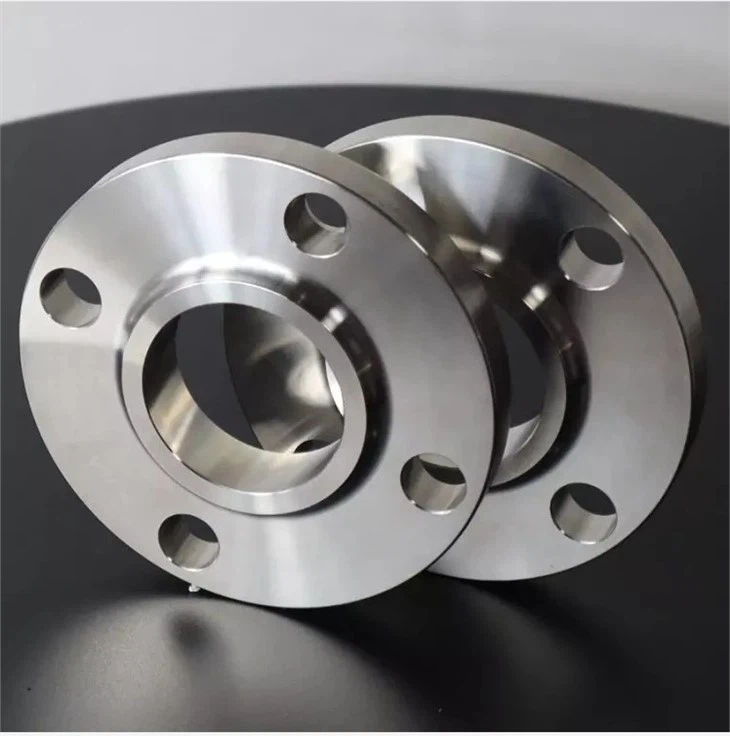
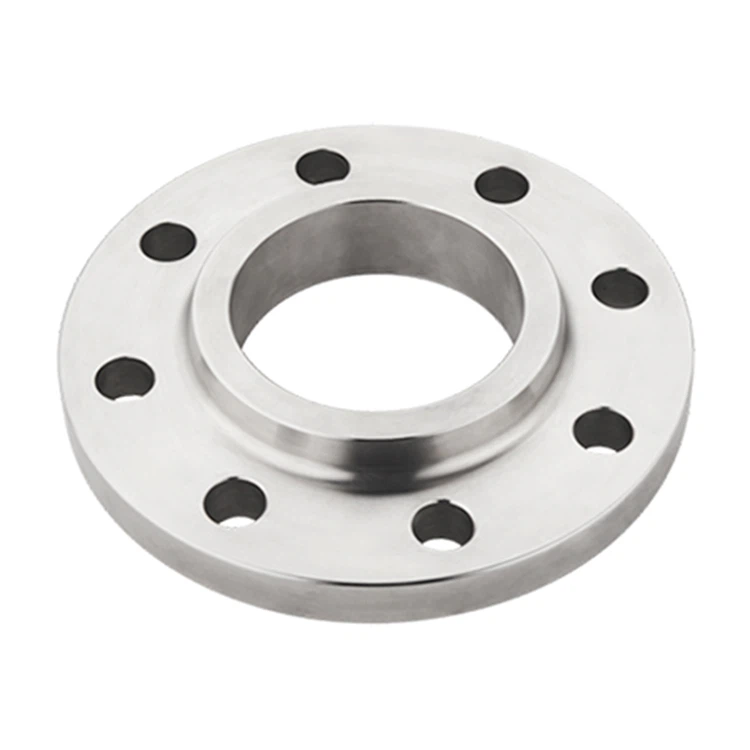
Slip on flanges are a type of pipe flange that slides over the pipe end and is then welded in place. They are characterized by their simplicity, ease of installation, and relatively low cost compared to other types of flanges. Slip on flanges are available in various standards, such as ANSI Slip On Flange, DIN Slip On Flange, and GB Slip-on Flange, each designed to meet specific industry requirements.
Suitability for Liquid Pipelines
Slip on flanges are widely used in liquid pipeline systems for several reasons. Firstly, their design allows for easy alignment and installation, which is crucial when dealing with large volumes of liquid. The welding process ensures a secure connection that can withstand the pressure and flow of the liquid. Additionally, slip on flanges can be made from a variety of materials, including carbon steel, stainless steel, and alloy steel, which makes them suitable for different types of liquids, such as water, oil, and chemicals.
In water distribution systems, for example, slip on flanges are commonly used to connect pipes and valves. The smooth interior surface of the flange minimizes flow resistance, ensuring efficient water delivery. In the oil and gas industry, slip on flanges are used in pipelines transporting crude oil, refined products, and natural gas liquids. Their ability to handle high pressures and temperatures makes them a reliable choice for these demanding applications.
Suitability for Gas Pipelines
When it comes to gas pipelines, slip on flanges also have their advantages. Similar to liquid pipelines, they are easy to install and can be made from materials that are resistant to corrosion and high pressures. Gas pipelines require a tight seal to prevent leakage, and slip on flanges, when properly welded and installed, can provide an effective barrier against gas escape.
However, there are some considerations when using slip on flanges in gas pipelines. Gas pipelines often operate at higher pressures than liquid pipelines, and the flange must be designed to withstand these pressures. Additionally, gas is more compressible than liquid, which means that any leakage can have more serious consequences. Therefore, it is essential to ensure that the flange is properly installed and inspected to prevent gas leaks.
Advantages of Using Slip On Flanges in Both Liquid and Gas Pipelines
- Cost-Effective: Slip on flanges are generally less expensive than other types of flanges, such as weld neck flanges. This makes them an attractive option for large-scale pipeline projects where cost is a significant factor.
- Easy Installation: The simple design of slip on flanges allows for quick and easy installation, reducing labor costs and downtime. This is especially important in industries where time is of the essence, such as construction and maintenance.
- Versatility: Slip on flanges can be used with a variety of pipe materials and sizes, making them suitable for different types of pipeline systems. They can also be used in both above-ground and underground applications.
- Good Sealing Performance: When properly welded and installed, slip on flanges can provide a reliable seal, preventing leakage in both liquid and gas pipelines.
Limitations and Considerations
- Lower Strength Compared to Weld Neck Flanges: Slip on flanges have a lower strength compared to weld neck flanges, especially in high-pressure applications. In situations where the pipeline is subject to high stress or vibration, weld neck flanges may be a more suitable choice.
- Welding Quality: The performance of slip on flanges depends largely on the quality of the welding. Poor welding can lead to leaks and other issues, so it is essential to ensure that the welding is carried out by qualified professionals using proper techniques and equipment.
- Temperature and Pressure Ratings: It is important to select slip on flanges with the appropriate temperature and pressure ratings for the specific pipeline application. Using flanges with insufficient ratings can result in failure and safety hazards.
Conclusion
In conclusion, slip on flanges can be used for both liquid and gas pipelines, provided that they are selected and installed correctly. Their cost-effectiveness, ease of installation, and versatility make them a popular choice in many industries. However, it is important to consider the specific requirements of the pipeline system, such as pressure, temperature, and fluid type, when choosing the appropriate flange.
If you are in the market for slip on flanges for your liquid or gas pipeline project, I encourage you to reach out to me. I have extensive experience in providing high-quality slip on flanges that meet the most stringent industry standards. We can discuss your specific needs and requirements to ensure that you get the right product for your application. Contact me today to start the procurement process and take the first step towards a successful pipeline project.
References
- Pipeline Engineering Handbook.
- Standards and Guidelines for Flange Design and Installation.
- Industry Reports on the Use of Slip On Flanges in Liquid and Gas Pipelines.