

Can Ball Valves Be Used in Fire - Safe Applications?
As a leading supplier of ball valves, I've been frequently asked whether ball valves can be used in fire - safe applications. This is a crucial question, especially considering the high - stakes nature of fire - safe scenarios where safety and reliability are non - negotiable. In this blog, we'll explore the feasibility of using ball valves in such applications, looking at their design, performance, and the relevant standards.
Understanding Fire - Safe Requirements
Before delving into the suitability of ball valves for fire - safe applications, it's essential to understand what fire - safe requirements entail. Fire - safe applications typically involve environments where there is a risk of fire, such as oil and gas refineries, chemical plants, and power generation facilities. In these settings, valves must be able to maintain their functionality and prevent the spread of fire and the leakage of flammable substances in the event of a fire.
The key performance criteria for fire - safe valves include:
- Low Leakage: Minimize the leakage of fluids during and after a fire. This helps to prevent the spread of fire by reducing the availability of fuel.
- Structural Integrity: Withstand the high temperatures and pressures generated during a fire without significant deformation or failure. This ensures that the valve can continue to control the flow of fluids.
- Sealing Performance: Maintain an effective seal between the valve components, such as the ball and the seat, to prevent the escape of fluids.
Design Features of Ball Valves for Fire - Safe Applications
Ball valves are designed with several features that make them suitable for fire - safe applications:
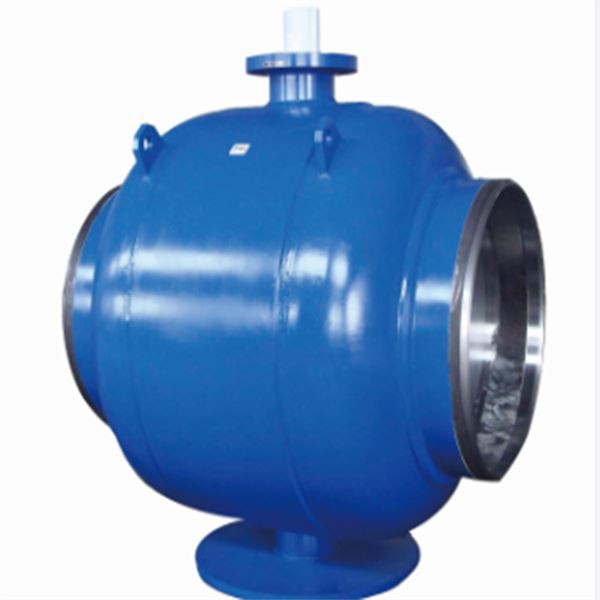
Metal - to - Metal Sealing
One of the primary design features of fire - safe ball valves is metal - to - metal sealing. In normal operation, ball valves often use soft seats made of materials like PTFE or elastomers for excellent sealing performance at low to moderate temperatures. However, in the event of a fire, these soft seats can melt or degrade. Metal - to - metal sealing provides a backup sealing mechanism that can maintain a seal even when the soft seat fails. For example, our [Two - way Metal Hard Sealed Ball Valve](/valve/ball - valve/two - way - metal - hard - sealed - ball - valve.html) is specifically designed with a metal - to - metal sealing structure, which can effectively prevent fluid leakage during a fire.
Fire - Resistant Materials
The materials used in the construction of ball valves play a crucial role in their fire - safe performance. Valves for fire - safe applications are typically made from fire - resistant materials such as stainless steel, carbon steel, or alloy steel. These materials have high melting points and can withstand the high temperatures generated during a fire. Additionally, the internal components of the valve, such as the ball and the stem, are often heat - treated to improve their strength and resistance to deformation.
Anti - Static Design
In fire - prone environments, static electricity can be a potential ignition source. Ball valves are often designed with anti - static devices to prevent the build - up and discharge of static electricity. These devices typically consist of a spring - loaded pin that connects the ball to the stem, providing a conductive path for static electricity to dissipate.
Testing and Certification
To ensure that ball valves meet the fire - safe requirements, they must undergo rigorous testing and certification. There are several international standards for fire - safe valves, such as API 607 and API 6FA.
API 607 is a standard for soft - seated quarter - turn valves, including ball valves. It specifies the test requirements for fire - safe performance, including the duration of the fire test, the temperature profile, and the allowable leakage rates. Valves that pass the API 607 test are considered to have met the minimum fire - safe requirements.
API 6FA is a standard for fire - test requirements for valves used in piping systems. It applies to all types of valves, including ball valves, and has more stringent requirements than API 607. Valves that are certified to API 6FA are suitable for use in high - risk fire - safe applications.
As a ball valve supplier, we ensure that all our valves for fire - safe applications are tested and certified to meet these international standards. This gives our customers the confidence that our valves will perform reliably in the event of a fire.
Applications of Ball Valves in Fire - Safe Scenarios
Ball valves are widely used in various fire - safe applications:
Oil and Gas Industry
In the oil and gas industry, ball valves are used in pipelines, storage tanks, and refineries. They are responsible for controlling the flow of crude oil, natural gas, and other petroleum products. In the event of a fire, ball valves can quickly shut off the flow of these flammable substances, preventing the spread of fire and reducing the risk of explosions. Our [Pipeline Ball Valve](/valve/ball - valve/pipeline - ball - valve.html) is a popular choice for oil and gas pipeline applications due to its reliable performance and fire - safe design.

Chemical Plants
Chemical plants handle a wide range of hazardous chemicals, many of which are flammable or combustible. Ball valves are used to control the flow of these chemicals in various processes, such as mixing, storage, and transportation. In case of a fire, ball valves can isolate the affected areas and prevent the release of chemicals, protecting the plant and the environment.
Power Generation Facilities
Power generation facilities, including thermal power plants and nuclear power plants, use ball valves in their cooling systems, fuel supply systems, and steam control systems. In a fire situation, ball valves can ensure the safe operation of these systems and prevent the spread of fire to critical components. Our [Eccentric Half Ball Valve](/valve/ball - valve/eccentric - half - ball - valve.html) is suitable for power generation applications, providing precise flow control and reliable fire - safe performance.
Conclusion
In conclusion, ball valves can indeed be used in fire - safe applications. Their design features, such as metal - to - metal sealing, fire - resistant materials, and anti - static design, make them well - suited to meet the fire - safe requirements. Through rigorous testing and certification to international standards, ball valves can provide reliable performance in the event of a fire.
If you are looking for high - quality ball valves for fire - safe applications, we are here to help. Our extensive range of ball valves, including [Pipeline Ball Valve](/valve/ball - valve/pipeline - ball - valve.html), [Two - way Metal Hard Sealed Ball Valve](/valve/ball - valve/two - way - metal - hard - sealed - ball - valve.html), and [Eccentric Half Ball Valve](/valve/ball - valve/eccentric - half - ball - valve.html), are designed and manufactured to the highest standards. Contact us today to discuss your specific requirements and start a procurement negotiation.
References
- American Petroleum Institute (API). API 607 - Fire - Test Standard for Soft - Seated Quarter - Turn Valves.
- American Petroleum Institute (API). API 6FA - Fire - Test Standard for Valves.


